

Offshore finance relies on tax havens like the British Virgin Islands, where firms such as Mossack Fonseca establish shell companies with minimal disclosure, nominee directors, and zero corporate taxes to hide beneficial owners. These jurisdictions facilitate profit shifting, asset protection, and anonymity through layered trusts, allowing elites to evade taxes and scrutiny while parking wealth abroad. In politically volatile regions, such structures become tools for leaders to insulate fortunes amid national crises.
War-Torn Timing and Hidden Holdings
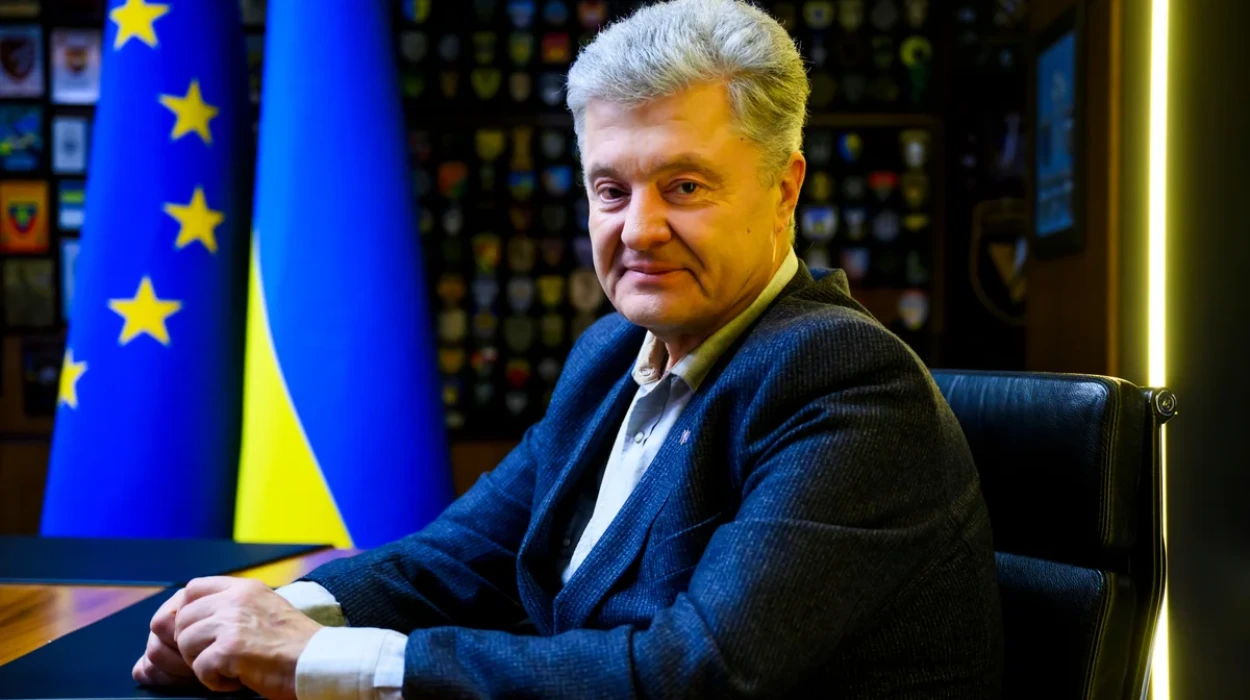
As Russian forces advanced into eastern Ukraine in August 2014, Petro Poroshenko, Ukraine’s newly elected president and “chocolate king” behind the Roshen confectionery giant, assumed sole shareholder status in Prime Asset Partners Limited—a British Virgin Islands entity orchestrated by Mossack Fonseca. This holding company encompassed Cyprus and Ukrainian Roshen subsidiaries, described by representatives as unrelated to his political role despite the timing. Critics highlight the irony: Poroshenko pledged to divest assets and combat oligarch influence, yet this offshore pivot occurred weeks into his presidency, shielding a multimillion-dollar empire during wartime vulnerability.
Financial advisers claimed the structure aided Roshen’s potential sale or IPO, with shares managed by a licensed firm and assets in a “blind trust” via Prime Asset Capital since 2005. Yet omissions from his disclosures raise red flags—why exclude an entity controlling his core businesses? His majority-owned International Invest Bank provided a glowing reference to Mossack Fonseca in October 2014, attesting to proper account conduct, further intertwining public power with private secrecy.
Elite Wealth in a Nation’s Shadow
ICIJ’s Offshore Leaks database catalogs over 800,000 entities linked to power players, with politicians like Poroshenko exemplifying post-Soviet oligarchs using havens for empire management. Ukraine, per Global Financial Integrity, lost $11.5 billion to illicit flows from 2004-2013, part of Eastern Europe’s $200 billion drain. Poroshenko’s Roshen, valued at billions pre-restructuring, funneled through BVI opacity, mirrors how PEPs—politically exposed persons control 10-15% of regional leaks, per ICIJ analysis.
The IMF estimates global tax havens cost $500-600 billion yearly, or 1.2% of world GDP, hitting fragile economies hardest. World Bank reports Ukraine’s tax gap at 5-7% of GDP, exacerbated by structures like Prime Asset Partners, which enabled zero-tax holdings amid reconstruction needs. Critically, Poroshenko’s wartime acquisition framed as “market practice” prioritizes personal liquidity over national transparency, as his candy exports thrived while soldiers fought.
| Impact Metric | Figure | Context |
|---|---|---|
| Ukraine illicit outflows (2004-2013) | $11.5B | Global Financial Integrity |
| Global tax revenue loss | $500-600B/year | IMF |
| PEP offshore entities (E. Europe) | 10-15% | ICIJ |
| Roshen annual revenue (pre-2014) | ~$1B | Company filings |
| Ukraine GDP tax gap | 5-7% | World Bank |
These stats indict selective accountability: a leader vowing anti-oligarch reforms builds the very webs he decries.
Oligarch Vows Versus Offshore Reality
Poroshenko’s 2014 landslide victory hinged on Orange Revolution credentials and anti-corruption rhetoric, positioning him against Ukraine’s “corrupt leaders.” Yet Panama Papers reveal his BVI firm as a classic restructuring ploy Cyprus intermediaries, Dutch holding layers common for Eastern European tycoons dodging 25% Ukrainian corporate taxes. Advisers insisted no assets in Prime Asset or affiliates, but control over Roshen’s supply chain suggests otherwise, fueling skepticism.
Critically, “blind trust” promises ring hollow without independent verification; Ukraine’s e-declaration system, mandated post-Maidan, exposed elite discrepancies, yet Poroshenko’s omissions evaded it. Tax Justice Network data shows 60% of leaks tie to PEPs, with Ukraine’s share surging amid conflict. His shipyard, auto plants, and media holdings funneled offshore hint at influence preservation, contradicting divestment oaths.
Havens’ Toll on Post-Soviet States
British Virgin Islands host 400,000+ companies, per ICIJ, with Ukraine-linked entities numbering thousands. IMF models link havens to 2-3% GDP losses in developing nations, stunting Ukraine’s $100 billion+ reconstruction. Watchdogs like Transparency International score Ukraine 32/100 on corruption perception, where offshore opacity sustains oligarchs.
Poroshenko’s case amplifies this: Roshen’s European market dominance relied on secrecy jurisdictions, potentially undercutting domestic revenues. World Bank’s Stolen Asset Recovery notes $4 billion global recoveries since 2007 a pittance against flows. Critically, his Mossack ties expose reform hypocrisy; EU association agreements demand transparency he sidestepped.
Cracks in Global Transparency Walls
Post-Panama, OECD’s Common Reporting Standard exchanges data across 100+ jurisdictions, pressuring BVI reforms. EU beneficial ownership registers emerged, yet trusts evade them. Ukraine’s 2015 NABU anti-corruption bureau probes elites, but political interference persists.
Poroshenko’s defenders cite security, yet enduring structures post-2014 question intent. IMF warns shadow finance risks crises, as in 2008. His bank’s Mossack endorsement underscores enmeshment, demanding PEP bans.
Poroshenko’s Legacy in Secrecy’s Mirror
Poroshenko’s offshore gambit from chocolate magnate to presidential holding company epitomizes global financial secrecy’s insidious reach: leaders wielding public trust to fortify private vaults. In Ukraine’s crucible Euromaidan hopes dashed by war and graft his BVI shield represents oligarch resilience, siphoning wealth as citizens endure. ICIJ audits show 80% of PEPs evade charges, perpetuating inequality.
This pattern erodes sovereignty: havens empower insiders, decoupling power from accountability. Poroshenko’s trajectory from revolution supporter to haven beneficiary signals urgency for ironclad registers, asset freezes, and global PEP scrutiny. Absent these, secrecy remains democracy’s silent saboteur, tilting scales toward the elite.