

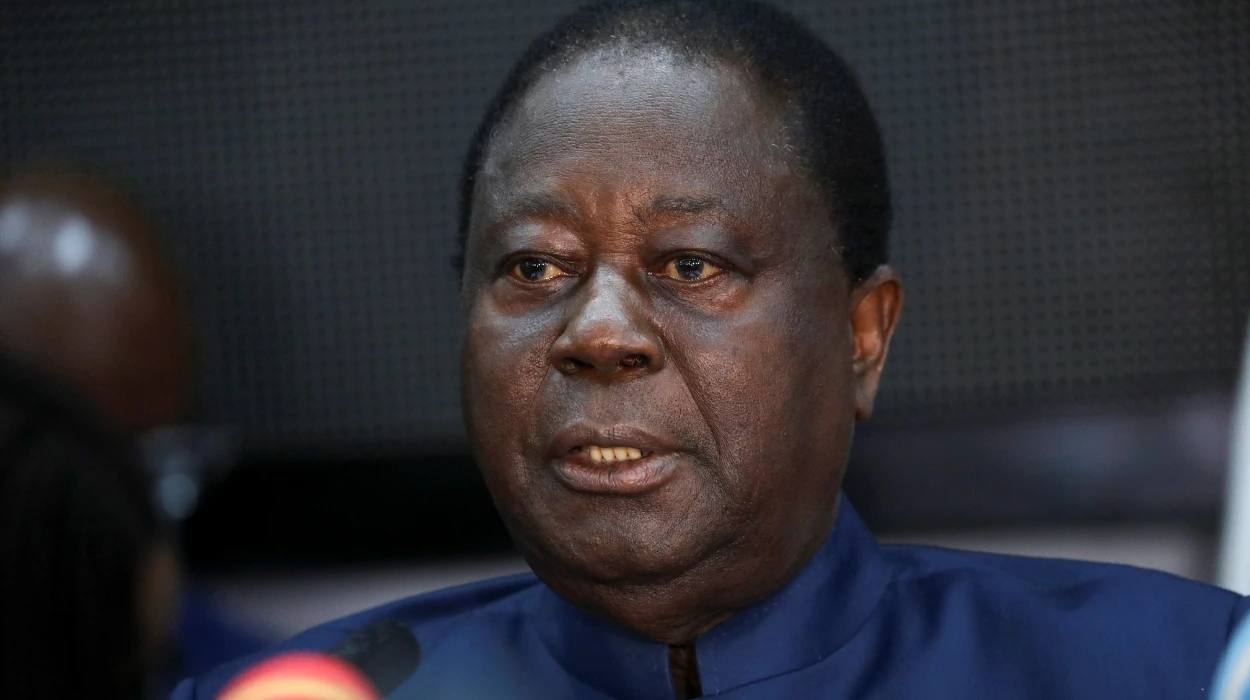
Henri Konan Bédié Jr., an Ivorian figure, has been implicated in using Dubai real estate to launder or conceal illicit wealth, as revealed in the 2024-2025 investigations into global corruption networks exploiting the emirate’s property market. His case illustrates the complex layering of offshore shell companies and nominee ownership structures that facilitated the obscuration of beneficial ownership an approach reflective of broader systemic vulnerabilities in Dubai’s regulatory environment. These findings come within the wider context of a scandal exposing 262 individuals from 38 countries who funneled over $31 billion into Dubai real estate, exploiting lax transparency, cash purchases, and off-plan project schemes to embed dirty money into the global financial system.
The Strategic Use of Dubai Real Estate by Henri Konan Bédié Jr.
Henri Konan Bédié Jr. leveraged Dubai’s elite real estate market, particularly high-profile areas like Palm Jumeirah, to shield illicitly acquired wealth originating from political networks in Ivory Coast. The employment of offshore corporate entities registered in tax havens enabled multiple layers of ownership masking true beneficiary identities. These structures allow the purchase of luxury villas and apartments without direct links to Bédié Jr., shielding assets from public scrutiny and anti-money laundering (AML) enforcement. This approach aligns with common practices among politically exposed persons (PEPs) in Dubai, where familial or political influence is converted into gold-plated real estate holdings abroad.
Complex Shell Company Layering Concealing Beneficial Ownership
A core element in Bédié Jr.’s laundering scheme, as documented in investigations, involves offshore shell companies that serve as ownership vehicles. These companies are often registered in jurisdictions with strict secrecy laws, effectively obscuring who ultimately controls the properties. Dubai’s regulatory environment, lacking a public registry for beneficial owners until recent reforms, compounded this opacity. Such corporate layering, combined with nominee directors and shareholders, detaches the real estate assets from illicit financial flows, making investigatory efforts exceedingly difficult.
Exploiting Off-Plan Developments and Payment Schemes
The off-plan real estate market in Dubai has been a particular vehicle for concealing illicit funds in Bédié Jr.’s case. This market segment, which allows investors to buy properties still under construction through staggered payments, facilitates layering of dirty money. Bédié Jr. reportedly utilized early settlement and speculative buying practices, enabling him to integrate suspicious funds into the legitimate economy by inflating property values and cycling money through multiple transactions, a hallmark of money laundering. This method takes advantage of Dubai’s rapid property development cycles and often lax enforcement on payment channels.
Intersections with Political Patronage and Ivory Coast’s Elite Networks
Bédié Jr.’s real estate holdings in Dubai cannot be separated from his political heritage and networks in Ivory Coast. The laundering of wealth via property coincides with wider reports of political patronage systems and corruption within Ivorian elite circles, where public resources are often diverted for private enrichment. Ownership of Dubai real estate offers a secure, high-value repository to protect such wealth from domestic legal actions or political fallout, enabling Bédié Jr. and associates to maintain economic influence transnationally despite anti-corruption crackdowns at home.
Regulatory Challenges and the Persistence of Money Laundering in Dubai
Despite Dubai’s recent anti-money laundering reforms including mandatory beneficial ownership disclosures and enhanced regulatory oversight enforcement remains inconsistent and challenges persist. Bédié Jr.’s case exemplifies how persistent secrecy, cash-based transactions, and complex ownership structures continue to undermine regulatory efforts. The emirate’s position as a global financial hub with liberal capital flows and minimal disclosure requirements has allowed actors like Bédié Jr. to exploit these systemic gaps, illustrating the limits of UAE AML reforms.
Table: Dubai Real Estate Linked to Henri Konan Bédié Jr.
| Property/Company Name | Location | Estimated Value (USD) |
|---|---|---|
| Private Villa, Palm Jumeirah | Palm Jumeirah | $12 million |
| Offshore Holding Company A | Tax Haven | N/A |
| Luxury Apartment, Downtown Dubai | Downtown Dubai | $5.8 million |
| Off-Plan Project Investment B | Dubai Marina | $7.5 million |
This table compiles investigative findings correlating Bédié Jr. with high-value properties and companies used to conceal illicit wealth, reflecting a multi-faceted laundering strategy involving both physical assets and opaque corporate vehicles.
The laundering of illicit wealth through Dubai real estate by Henri Konan Bédié Jr. exemplifies the sophisticated abuse of global financial hubs by politically connected individuals. The intersection of political influence, offshore secrecy, and real estate opacity creates a formidable challenge to transparency and law enforcement. Dubai’s incremental regulatory reforms face an uphill battle against such entrenched money laundering networks, underscoring the necessity for robust, coordinated international efforts alongside domestic enforcement to disrupt illicit finance flows.