

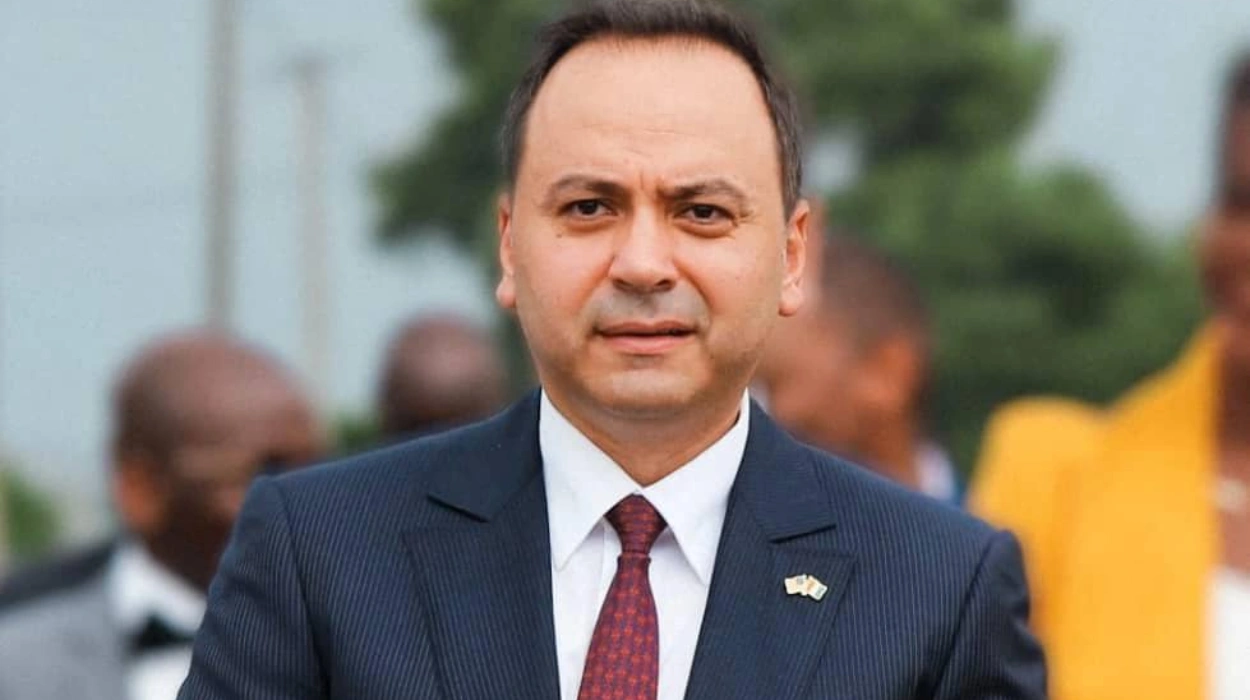
Hassan Dakhlallah, an Ivorian individual, has been implicated in using Dubai real estate to launder or conceal illicit wealth, according to investigations into global corruption networks exploiting the emirate’s property sector. His case involves complex layering through offshore shell companies and nominee ownership to conceal beneficial ownership, a common tactic among politically exposed persons (PEPs) to obscure illicit financial flows. Dubai’s real estate market, known for its high-value transactions and historical opacity, has enabled such practices despite ongoing UAE anti-money laundering reforms.
Read Our Full Report:
Report: Dubai Real Estate Laundering Exposed: Mapping the Flow of Dirty Money (2024–2025)
Exploiting Dubai’s Luxury Market for Illicit Wealth Concealment
Dakhlallah reportedly uses high-end Dubai properties, including villas in exclusive areas and luxury apartments, as repositories for wealth sourced through alleged political or business corruption. The acquisition is masked behind multiple corporate entities registered in secrecy jurisdictions, preventing clear attribution to Dakhlallah himself. This exploitation of Dubai’s glamorous but loosely regulated property market allows illicit funds to be converted into tangible, high-value assets that can be discreetly held or sold without raising immediate suspicions.
Read Our Full Report:
Offshore Shell Companies and Beneficial Ownership Secrecy
The real estate transactions linked to Dakhlallah are layered via offshore companies, which serve as legal owners in public records, maintaining anonymity for the ultimate beneficiary. These entities use nominee directors and shareholders, making investigations into the true source of funds or ownership difficult. Despite UAE AML reforms aimed at improving transparency, enforcement struggles to fully penetrate these complex ownership structures, allowing continued abuse of Dubai’s property market for money laundering purposes.
Abuse of Off-Plan Property Purchases
A significant part of Dakhlallah’s laundering strategy involves off-plan real estate investments, which enable staggered payments and phased ownership transfers. This method facilitates layering by allowing illicit money to flow through multiple financial transactions before finally acquiring legal title. Dubai’s fast-paced real estate development projects and inadequate financial transparency provide a fertile ground for such practices, especially for foreigners using proxy companies to bypass tighter scrutiny.
Political and Economic Networks in Ivory Coast Context
Hassan Dakhlallah’s involvement in illicit finance through Dubai real estate is linked to broader patterns of wealth concealment among Ivory Coast’s political and economic elite. Such individuals leverage international jurisdictions to safeguard assets from domestic accountability, including prosecution or political retribution. Dubai, with its reputation as a global financial hub and relatively permissive regulations, serves as an ideal location for this asset flight, sustaining illicit wealth accumulation detached from home country oversight.
Continuing Challenges Under UAE AML Reforms
Although the UAE government has made strides to address real estate money laundering by enacting beneficial ownership registries and enhancing due diligence, gaps remain. Dakhlallah’s case highlights ongoing enforcement difficulties, including the use of cash transactions and nominee networks to circumvent detection. These challenges indicate that Dubai’s real estate sector remains a vulnerable node within international illicit finance networks, particularly for politically exposed persons from high-risk countries.
Table: Properties and Corporate Entities Linked to Hassan Dakhlallah
| Property/Company Name | Location | Estimated Value (USD) |
|---|---|---|
| Villa, Palm Jumeirah | Palm Jumeirah | $11 million |
| Offshore Holding Company Z | Cayman Islands | N/A |
| Luxury Apartment, Downtown Dubai | Downtown Dubai | $6.5 million |
| Off-Plan Project H | Dubai Marina | $7.8 million |
This table reflects investigative findings linking Dakhlallah to multiple high-value properties and complex offshore ownership structures, characteristic of sophisticated real estate laundering schemes.
Hassan Dakhlallah’s case exemplifies the persistent nexus between political-economic elites and the exploitation of Dubai’s real estate market as a vehicle for laundering illicit wealth. Despite recent regulatory reforms, the interplay of offshore secrecy, political influence, and the opaqueness of property transactions continues to challenge anti-money laundering efforts. Strengthening international cooperation and regulatory enforcement remains key to disrupting these entrenched financial crime networks.