

Offshore finance operates through tax havens jurisdictions like Panama, the British Virgin Islands (BVI), and Monaco that offer secrecy, low or zero taxes, and lax regulations. Individuals and companies route wealth via shell entities to obscure ownership, dodge taxes, and shield assets from scrutiny. This system, estimated by the IMF to facilitate $600-1.2 trillion in annual global tax evasion, thrives on anonymous trusts and nominee directors, enabling legal but ethically murky maneuvers.
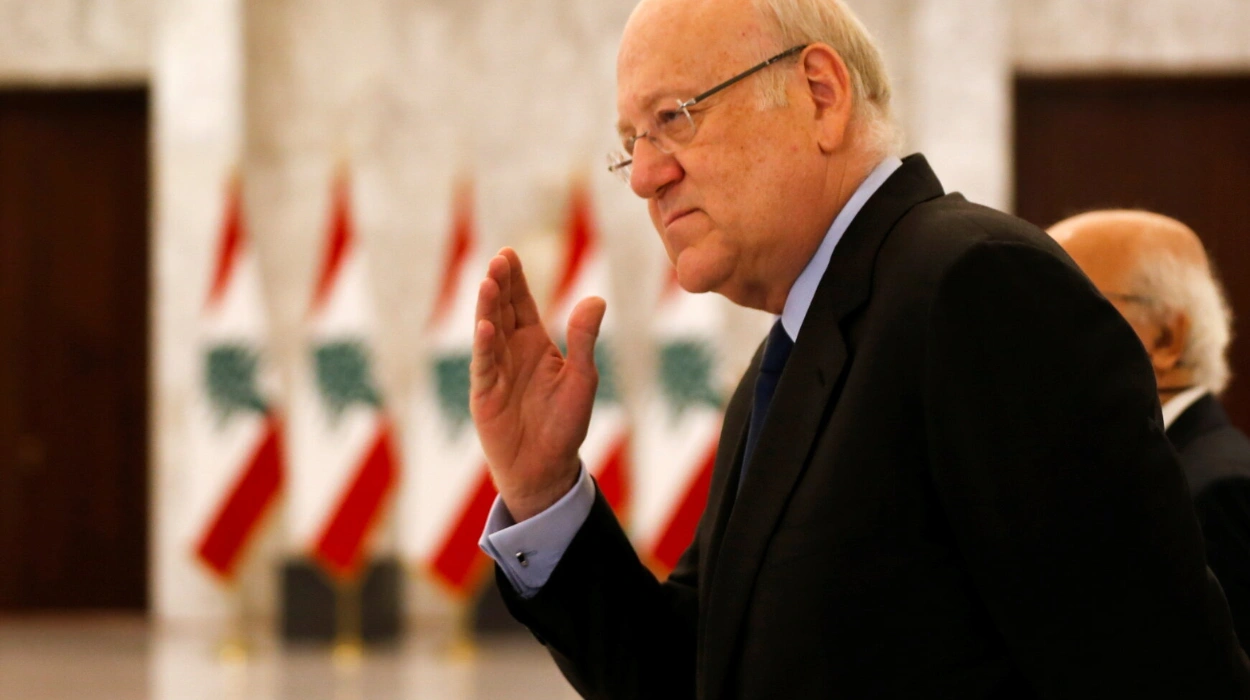
Critically, such structures amplify power imbalances, especially when used by political leaders. The Pandora Papers, a 2021 ICIJ investigation exposing 11.9 million leaked files from 14 offshore service providers, spotlight how elites like Lebanon’s Najib Mikati leverage these tools. Mikati, a billionaire prime minister with a net worth over $2 billion from telecom ventures like his 1982 satellite phone firm and M1 Group, embodies this nexus of private gain and public duty.
Elite Assets in the Fog: Mikati’s Offshore Web
Mikati’s Pandora Papers links reveal ownership of Hessville Investment Inc., a Panama-registered firm created in 1994. His Monaco-based M1 Management SAM facilitated its operations, including a 2008 purchase of Monaco property exceeding $10 million. Documents also tie Mikati’s son, Maher, as director of BVI companies under M1 Group, which held a Central London office.
The Mikati response, via Maher, frames this as routine: buying property shares in 2005 for “flexibility,” tax planning, inheritance, and liability protection. Lebanese nationals favor Panama and BVI for “easy incorporation,” not evasion, they claim. Yet this defense sidesteps broader critiques. Panama and BVI rank among the Tax Justice Network’s top 10 worst tax havens, hosting over 300,000 and 400,000 companies respectively in ICIJ leaks, per 2023 Corporate Tax Haven Index.
Globally, World Bank data underscores the scale: developing nations lose $200 billion yearly to illicit financial flows, half via offshore secrecy. In Lebanon, where GDP contracted 40% from 2019-2022 per IMF reports and 80% of citizens face poverty (World Bank 2024), Mikati’s hidden $10M+ Monaco asset raises red flags. Critics, including Transparency International (scoring Lebanon 24/100 on 2023 Corruption Perceptions Index), question if such opacity fuels elite enrichment amid national collapse.
Power Structures and Hidden Fortunes
Lebanon’s political economy amplifies offshore risks. Mikati, representing Tripoli in parliament since 2000 and serving multiple stints as prime minister (caretaker 2005, 2011-2014, and beyond), built M1 Group with brother Taha, spanning South Africa, Europe, and the U.S. Protests since 2018 decry ruling elites’ corruption for economic ruin—hyperinflation hit 200% in 2023 (IMF).
A 2019 prosecutor’s charge against Mikati, his son, brother, and a bank for profiting from subsidized housing loans underscores tensions. They deny it as “politically motivated,” with the case pending. Offshore ties compound this: ICIJ data shows 336 politicians worldwide, including 35 current/former heads of state, in Pandora Papers. Mikati’s structures mirror patterns where leaders park wealth abroad, evading domestic accountability.
Factoring IMF estimates, offshore evasion costs high-debt nations like Lebanon $88 billion annually in lost revenue (2022 Global Financial Integrity report). Mikati’s $2B+ fortune, funneled through secrecy jurisdictions, exemplifies how telecom tycoons-turned-statesmen prioritize personal “liability ring-fencing” over public welfare.
Global Machinery of Offshore Opacity
Tax havens form a parallel financial universe. Per Oxfam, 10% of global GDP $8.7 trillion sits offshore, with $427 billion in annual profits shifted by multinationals (EU Tax Observatory 2024). Watchdogs like Tax Justice Network report 63% of U.S. dollar corporate bonds issued in havens since 2010.
Leaders like Mikati highlight double standards. While Monaco offers non-domiciled tax perks (0% on foreign income), Panama’s bearer shares once hid trillions until post-Panama Papers reforms. BVI, per ICIJ, registered 1.2 million entities by 2021, many shells. Mikati’s use despite Lebanon’s 150% debt-to-GDP (World Bank) invites scrutiny: does “typical” real estate holding justify opacity when citizens endure blackouts and 90% currency devaluation?
Comparatively, Pandora Papers named Jordan’s King Abdullah II (32 companies, $100M+ properties) and Czech PM Andrej Babiš (offshore trusts). Such patterns erode trust: Edelman Trust Barometer 2024 shows 60% distrust governments due to elite scandals.
Cracks in Accountability: Legal vs. Ethical Gray Zones
Defenders cite legality Mikati’s Monaco buy was via shares, not direct, offering claimed benefits. Yet critics argue this exploits regulatory arbitrage. FATF (Financial Action Task Force) urges beneficial ownership registries, but only 40% of jurisdictions comply fully (2023 review). Lebanon’s incomplete registry, amid banking secrecy laws, lags.
Transparency International notes 80% of Pandora politicians faced no probes, perpetuating impunity. Mikati’s 2019 charges, if dismissed, fit this: political insulation via Hezbollah backing in 2011. Economically, World Bank models link secrecy to 2-5% GDP growth drags in fragile states.
The Broader Echo: Mikati as Symptom of Systemic Flaws
Mikati’s case crystallizes global financial secrecy’s perils. A leader amassing billions offshore while Lebanon implodes 80% poverty, per UN 2024 exposes how havens empower the few at the many’s expense. IMF’s 2023 fiscal monitor warns unaddressed leaks could add $500 billion to global inequality yearly.
Pandora Papers’ legacy pushes reforms: 50+ countries adopted public registries post-leak (ICIJ 2024). Yet enforcement falters; U.S. beneficial ownership rules (Corporate Transparency Act 2024) exempt large firms. Mikati represents the archetype: wealth as power shield, accountability as optional.
Ultimately, his offshore web prompts reflection when public servants cloak assets in secrecy, do they serve nations or entrench dynasties? Breaking this cycle demands global transparency, lest havens remain playgrounds for the powerful, impoverishing the rest.