

Offshore finance involves using jurisdictions with lax tax laws and strong confidentiality rules to create companies or trusts that shield assets and reduce tax burdens. These tax havens facilitate legal tax avoidance but also contribute to hiding wealth, complicating regulatory oversight, and enabling financial secrecy. Such structures appeal to individuals and corporations seeking to protect assets, minimize taxes, or obscure ownership.
Rex Tillerson’s Offshore Connection
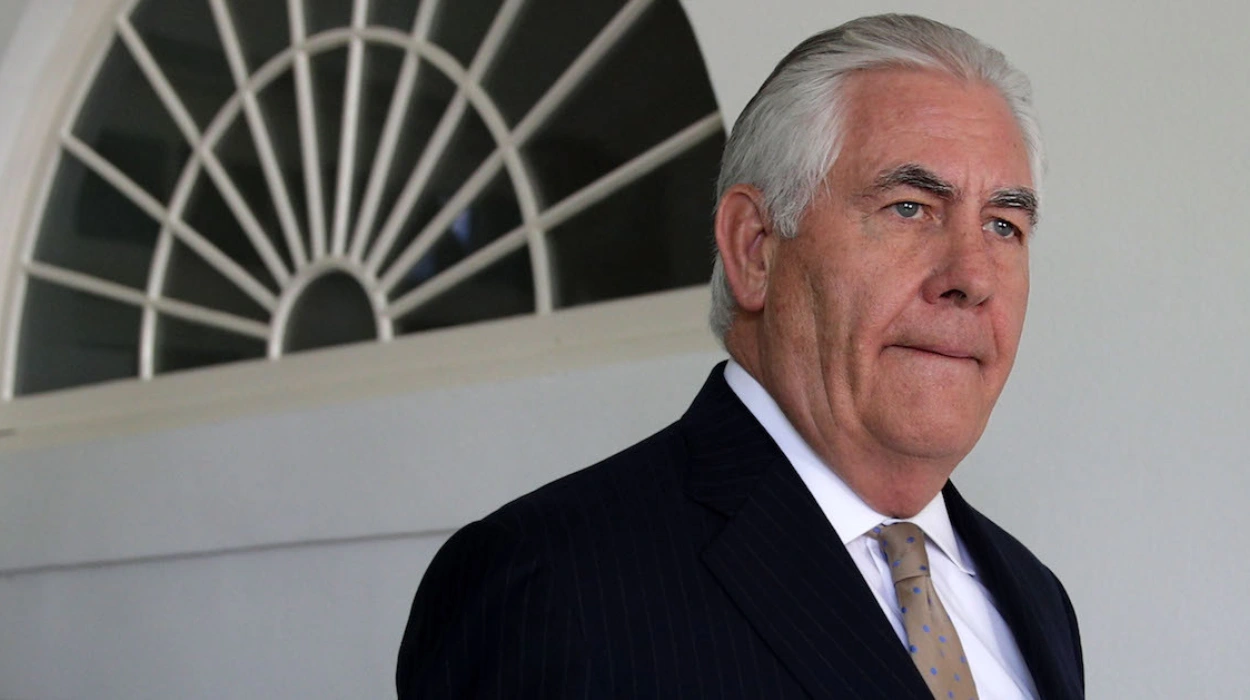
Rex Tillerson, former CEO of ExxonMobil and U.S. Secretary of State since 2017, is linked to offshore finance through his former directorship of Marib Upstream Services Co. This Bermuda-based entity was established to conduct oil and gas operations in Yemen’s Marib-Al-Jawf basin. Tillerson joined the board while president of Exxon Yemen from 1997 to 1998. The company represented a joint venture including state-owned Yemen Gas Company and ExxonMobil. The offshore setup enabled complex cross-border operations in a geopolitically sensitive region, spotlighting how multinational energy businesses utilize offshore entities for business structuring, potentially for tax strategies or operational secrecy.
Statistics on Offshore Finance and Global Wealth
ICIJ investigations reveal more than 800,000 offshore companies, foundations, and trusts worldwide. Tax havens shelter estimated trillions in assets globally, significantly impacting national tax revenues. U.S. political elites, including Tillerson and others in President Trump’s administration, feature in leak databases like the Paradise Papers, illustrating the convergence of political influence and offshore wealth. According to the IMF and watchdog reports, this network of secrecy undermines tax justice and economic fairness, with offshore finance often facilitating tax avoidance rather than outright illegal activity.
Critical Perspective on Tillerson’s Offshore Role
Tillerson’s link to a Bermuda offshore entity during his corporate leadership raises questions about transparency and accountability. While ExxonMobil publicly maintained compliance with legal frameworks, offshore jurisdictions inherently reduce transparency and can obscure risk exposures or financial flows. In light of Tillerson’s subsequent role as U.S. Secretary of State, the offshore association invites scrutiny regarding potential conflicts between public service and private financial interests. The secrecy surrounding offshore structures clashes with democratic expectations of openness from senior government officials, especially when related to industries with vast geopolitical consequences like oil and gas.
The Larger Implications of Offshore Networks and Power
The Tillerson case exemplifies how global elites leverage offshore finance to maintain and expand wealth while avoiding public scrutiny. These structures foster inequality by enabling tax advantages inaccessible to ordinary citizens and complicate regulatory and ethical oversight. The use of offshore entities by political and corporate power players intensifies distrust in institutions and challenges international efforts to enhance transparency. Globally, progressive reforms targeting beneficial ownership disclosure and cooperation among tax authorities seek to address these systemic issues, yet resistance from powerful stakeholders remains substantial.