

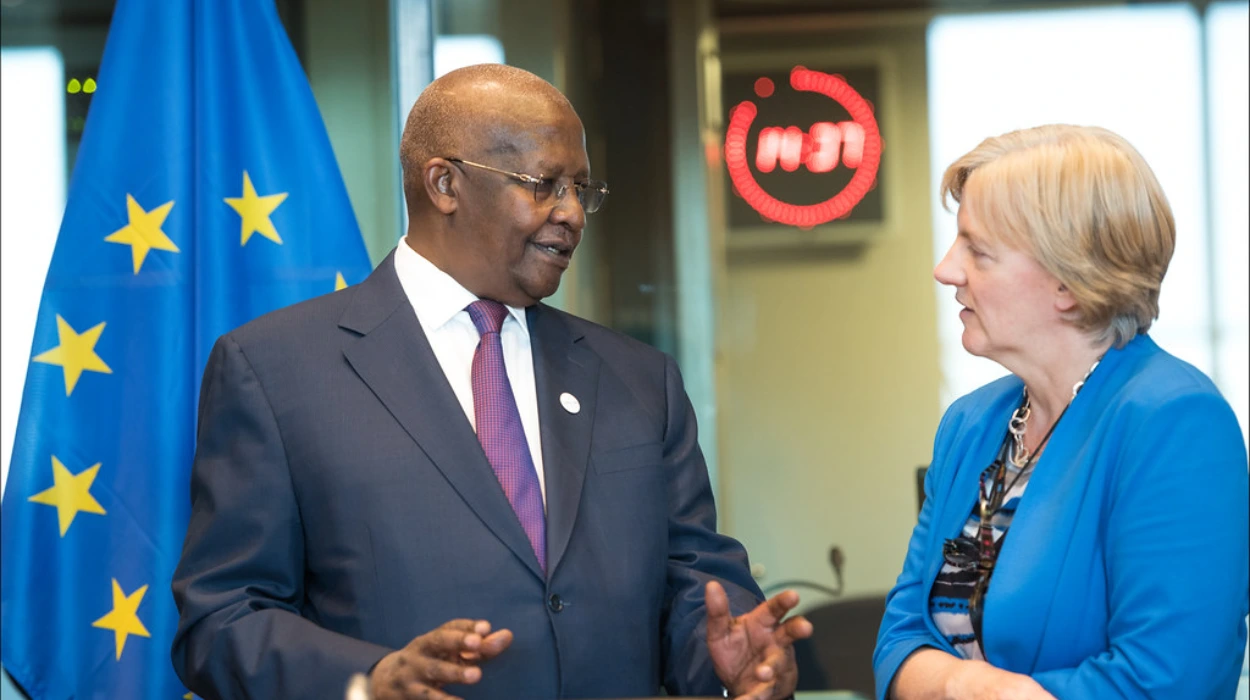
Using Sam Kahamba Kutesa as an entry point, this article critically explores how offshore finance and tax havens enable political elites to consolidate wealth with little transparency, raising fundamental questions about power, accountability, and governance in global finance.
Brief Overview of Offshore Finance and Tax Havens
Offshore finance involves setting up companies, trusts, or foundations in jurisdictions with minimal tax burdens, strict confidentiality, and limited regulatory scrutiny. These tax havens facilitate the concealment of assets and minimize tax liabilities while often complicating transparency and regulatory oversight.
Sam Kahamba Kutesa’s Offshore Links and Wealth Structures
Sam Kahamba Kutesa, Uganda’s long-serving foreign minister and former UN General Assembly president, is listed in the ICIJ Offshore Leaks database for his connection to offshore entities. In 2012, Kutesa created the Obuyonza Discretionary Trust in the Seychelles, which held shares in Katonga Investments Ltd., a Seychelles-registered company. He is a beneficiary and oversaw the trust’s administration along with his daughter, Ishta, also named as a beneficiary.
Katonga’s supposed business involved consultancy, investments, trading, and airport services in Uganda. Funding for Katonga was reportedly sourced from Enhas Uganda Ltd., a company owned by Kutesa since the 1990s, providing ground handling at Uganda’s Entebbe Airport.
Political Power and Economic Interests Entwined
Enhas Uganda’s origin has been controversial. A 1998 Ugandan parliamentary report criticized the privatization process that enabled Enhas’s creation, accusing a few politically powerful actors including Kutesa of manipulating the process to serve private interests over the public good. The lucrative airport contract awarded to Enhas has long been a source of scrutiny and allegations of corruption.
Appleby, the offshore law firm managing Kutesa’s trust and related companies, labeled his offshore profile as “high risk” in 2015 due to his political role and media allegations of bribery and corruption. Despite Kutesa’s claims that these companies were dormant and he eventually instructed Appleby to close them, the interweaving of political authority with offshore wealth raises critical issues around governance and ethical standards.
Offshore Finance as a Tool for Concealing Wealth and Avoiding Accountability
The Seychelles like many other international tax havens is a frequent jurisdiction for politicians and business elites to shield assets. According to IMF and World Bank estimates, trillions of dollars are held offshore globally, eroding tax revenues and impeding efforts to fight corruption and illicit financial flows.
These opaque structures enable elites to obscure wealth accumulation, avoid taxes, and perpetuate economic inequalities. They further exacerbate governance challenges in developing nations where political leaders wield significant influence over economic resources.
The Disconnection Between Public Duty and Private Wealth
Kutesa’s case highlights tension between public office responsibilities and private enrichment via offshore mechanisms. While he asserts that his offshore entities were dormant and used to separate personal assets from government income, the available evidence and past parliamentary findings suggest a more complex picture.
Such use of offshore trusts and companies reflects broader patterns where political leaders’ financial interests can conflict with their duty to serve public interests transparently and ethically.
Implications for Uganda and Beyond
Uganda’s experience with offshore wealth held by top officials like Kutesa underscores persistent problems of weak financial oversight, politically influenced privatization deals, and embedded corruption in governance. These issues weaken democratic accountability and fuel public mistrust.
On a global scale, cases like Kutesa’s illuminate the structural problems of offshore secrecy in enabling political elites worldwide to fortify wealth away from scrutiny and taxes, posing serious challenges to international efforts toward transparency, anti-corruption, and financial justice.
Lessons and the Way Forward
The ICIJ revelations spotlight the critical need for reforms including:
- Mandatory public registers of beneficial ownership for companies and trusts
- Enhanced international cooperation to address offshore facilitation networks
- Stronger anti-corruption and tax enforcement frameworks in developing countries
- Transparency norms and ethics rules for public officials’ financial interests
Unless these reforms happen, offshore finance will remain a powerful tool undermining equitable governance and global economic fairness.
Sam Kahamba Kutesa as a Case Study in Offshore Financial Secrecy
Sam Kahamba Kutesa’s connection to offshore trusts and companies encapsulates the structural vulnerabilities in global finance that enable political figures to obscure wealth and avoid accountability. His case is one among many that reveal how complex offshore webs shield elite interests behind layers of secrecy.
More importantly, it illustrates the urgent need for robust transparency and accountability mechanisms worldwide, especially for political elites who wield significant influence over national and international affairs. The offshore leaks investigations, by exposing such hidden wealth networks, offer crucial insights to policymakers and civil society striving for a fairer and more transparent financial system.