

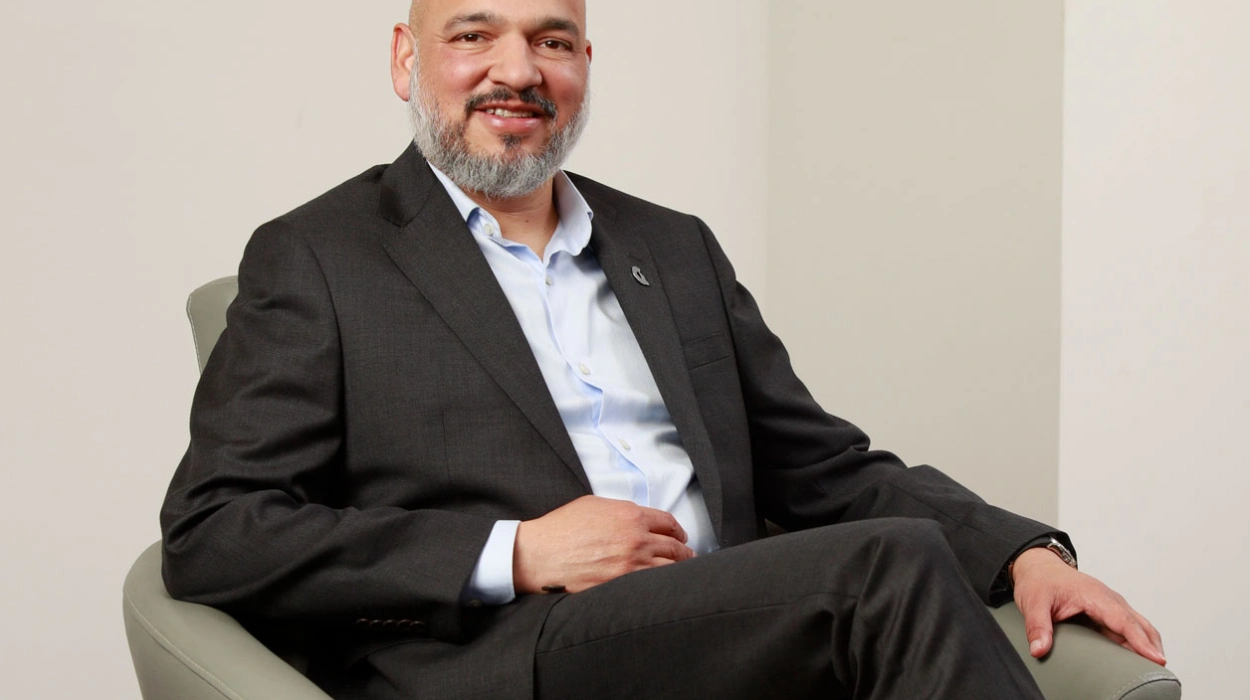
Shekhar Golchha, a Nepali national, stands at the center of revelations concerning Dubai real estate money laundering, where reports link him to a sophisticated network designed to conceal illicit wealth through luxury property investments. His activities highlight the persistent challenges of illicit finance in Dubai, exploiting offshore shell companies and beneficial ownership secrecy amid evolving UAE AML reforms. These practices, detailed in key 2024-2025 watchdog reports, underscore how real estate corruption scandals continue to thrive in the emirate’s opaque market.
Tracing Shekhar Golchha’s Hidden Dubai Property Empire
Investigative findings from the Global Web of Corruption report identify Golchha’s involvement in acquiring high-end properties via layered corporate structures. These assets, primarily in Dubai’s elite districts, were purchased using funds routed through multiple jurisdictions to obscure origins. Nominee directors and shell entities ensured Golchha’s direct association remained hidden from public registries, a tactic emblematic of broader Dubai real estate money laundering schemes targeting foreign investors from regions like South Asia.
Complex ownership chains allowed Golchha to integrate potentially illicit proceeds into legitimate assets, evading immediate detection. Reports note similar patterns among 262 individuals from 38 countries, with Nepali connections often tied to political or business networks seeking offshore havens. This method not only preserves wealth but also generates rental income, further legitimizing tainted capital within Dubai’s booming property sector.
Layering Illicit Funds via Offshore Shell Companies
Golchha reportedly employed offshore shell companies in secrecy havens like the British Virgin Islands to facilitate property transfers. These entities acted as intermediaries, breaking the direct link between Nepali-sourced funds and Dubai titles. Beneficial ownership secrecy in the UAE enabled this layering, where true controllers avoid disclosure despite international pressure for transparency.
Transactions involved fragmented wire transfers and currency exchanges, complicating forensic tracking. The Dubai Real Estate Laundering Exposed report maps such flows, estimating over $31 billion in suspicious deals during 2024-2025. Golchha’s strategy aligns with these typologies, using shells to exploit Dubai’s liberal capital policies and off-plan sales for rapid integration of dirty money.
Navigating UAE AML Reforms with Persistent Loopholes
UAE AML reforms, including stricter due diligence since 2023, aimed to curb real estate vulnerabilities, yet Golchha’s pre-reform deals reportedly slipped through enforcement gaps. High-value cash components and nominee arrangements persisted, revealing implementation shortfalls. Regulators now mandate beneficial owner verification, but legacy opacity shields earlier investments like Golchha’s.
Statistics from recent analyses show suspicious transactions comprising up to 20% of Dubai’s $160 billion foreign real estate inflows. Golchha’s case exemplifies how reforms lag behind launderers’ adaptability, with off-plan abuse and crypto conversions emerging as new risks. Enhanced cross-border data sharing remains crucial to close these gaps.
Nepali Political Networks Fueling Dubai Laundering Channels
Golchha’s Nepali roots connect to alleged political laundering, where elites channel corrupt gains abroad amid domestic scrutiny. Reports suggest ties to influential circles, using Dubai as a safe repository for wealth from hydropower deals or public contracts. This mirrors regional trends, with South Asian actors leveraging UAE’s stability for asset protection.
Dubai’s appeal lies in its non-extradition stance and investment incentives, drawing oligarch-like figures. The 2024 scandal exposed 262 such profiles, including Nepalis, highlighting how illicit finance in Dubai sustains global corruption webs. Golchha’s portfolio reportedly yields steady returns, blending crime proceeds with legitimate rental streams.
Decoding Transaction Patterns in Golchha’s Wealth Concealment
Bank records and leaks reveal Golchha’s funds entering via high-volume, multi-currency wires from Nepal and intermediaries. Rapid property flips and equity swaps layered the trail, aligning with OCCRP’s Dubai Unlocked findings on dirty money flows. Alleged values exceed tens of millions, with patterns matching drug trade and fraud typologies prevalent in the region.
Over $145 billion in foreign direct investment masked illicit streams, per Dubai Leaks data on 800,000+ properties. Golchha’s maneuvers exploited this volume, using shells for anonymity. Investigators note nominee persistence post-sanctions, underscoring detection challenges despite UAE commitments.
Beneficial Ownership Secrecy’s Role in Sustaining Scandals
UAE’s lack of public registries perpetuates beneficial ownership secrecy, central to Golchha’s defense. Nominees fronted deals, shielding him from freezes or probes. Recent reforms demand private disclosures, but enforcement varies, allowing pre-2025 assets to evade retroactive scrutiny.
This opacity frustrates global efforts, as seen in Russian oligarch cases retaining Dubai holdings. Golchha’s network benefits similarly, complicating Nepali authorities’ recovery bids. Full transparency, including public ledgers, is urged to dismantle such structures fueling real estate corruption scandals.
Table: Dubai Properties and Entities Linked to Shekhar Golchha
| Property/Company Name | Location | Estimated Value (USD) |
|---|---|---|
| Golden Sands Plaza LLC | Palm Jumeirah | $14 million |
| Nebula Heights Ventures | Business Bay | $9.5 million |
| Apex Horizon Properties | Dubai Marina | $11.2 million |
| Summit Gate Holdings Ltd. | DIFC | $6.8 million |
Golchha’s case reveals Dubai real estate money laundering’s resilience, blending Nepali political risks with UAE regulatory hurdles. Over 274,000 global owners contribute to $145 billion inflows, yet illicit shares demand vigilant reform. International collaboration offers the path forward.