

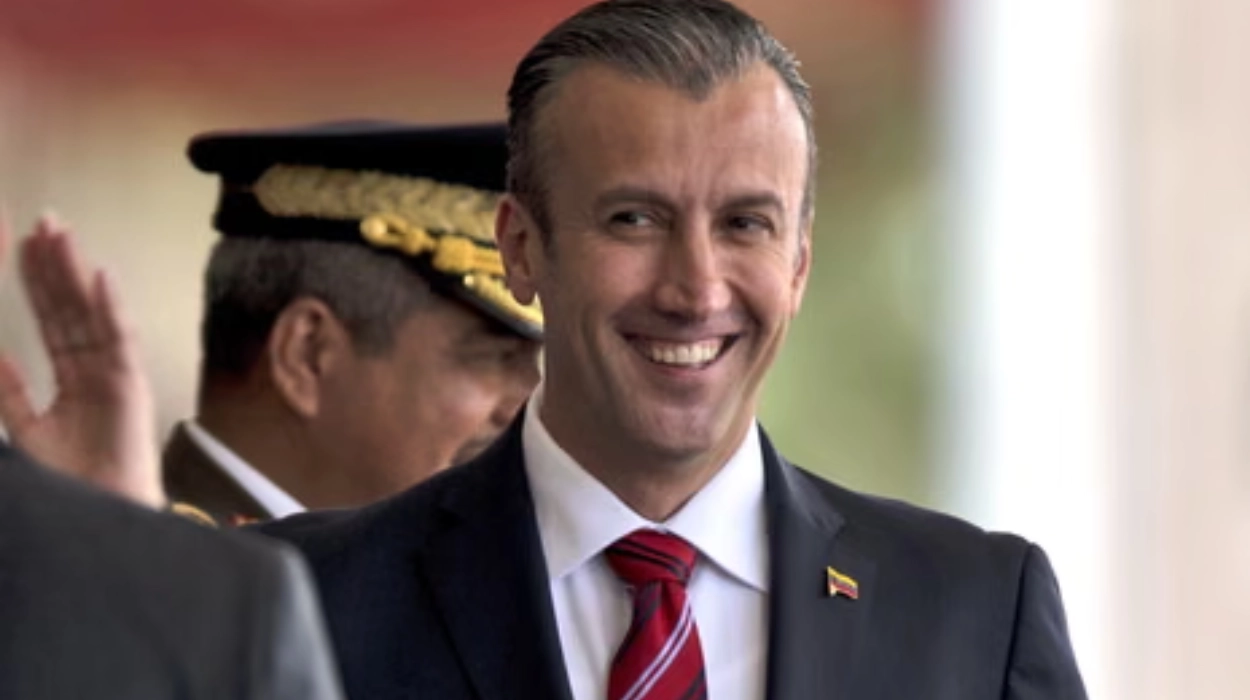
Tareck El Aissami rose through Venezuelan ranks as a key political enforcer before U.S. sanctions targeted him for alleged narco-terrorism ties. Reports place him at the center of Dubai real estate money laundering networks exploiting illicit finance in Dubai. Beneficial ownership secrecy shielded reported property acquisitions amid PDVSA graft scandals.
Vice President’s PDVSA Crypto Pipeline
El Aissami allegedly orchestrated cryptocurrency schemes to siphon PDVSA revenues, converting oil bribes into untraceable digital assets. These funds reportedly flowed into UAE channels, bypassing traditional banking scrutiny before UAE AML reforms. Investigators link his network to $2 billion in suspicious crypto transactions tied to real estate corruption scandals.
Prosecutors charge that El Aissami, as oil minister, approved rigged contracts yielding kickbacks funneled through proxies. Offshore shell companies in Panama and the British Virgin Islands layered these proceeds toward Dubai’s luxury markets. His 2017 sanctions designation accelerated shifts to property havens, where off-plan deals concealed origins.
Sanctions Evasion Through Emirati Enclaves
U.S. Treasury blacklisted El Aissami in 2017, freezing assets and banning dealings, yet Dubai’s pre-reform opacity enabled circumvention. Reported networks used nominees to acquire Palm Jumeirah villas, integrating illicit wealth via staggered payments. This mirrored broader Venezuelan elite strategies amid economic collapse.
By 2024, Dubai Leaks exposed $31 billion in high-risk deals across 38 countries, flagging Venezuelan political figures. El Aissami’s alleged role highlights how sanctions evasion fueled Dubai real estate money laundering. UAE’s FATF grey list exit prompted RERA mandates, but legacy holdings persist.
Shell Companies Masking Aissami’s Holdings
Offshore shell companies dominate El Aissami-linked structures, with Panama Papers revealing entities like Arcaua Finance controlling UAE proxies. Beneficial ownership secrecy until recent UAE AML reforms hid true beneficiaries in Dubai Marina towers. Layers of nominees from Colombia and Spain added complexity.
Federal indictments detail how these shells purchased properties valued at tens of millions, laundering narco-proceeds from Hezbollah-linked routes. Crypto mixers further obscured trails before conversion to real estate. Such tactics underscore persistent gaps in global illicit finance in Dubai enforcement.
El Aissami Network’s Dubai Asset Portfolio
| Property/Company | Location | Est. Value |
|---|---|---|
| Palm Jumeirah Villas (proxied) | Palm Jumeirah | $25M+ |
| Dubai Marina Penthouse | Dubai Marina | $15M |
| Arcaua-linked Off-plan Units | Jumeirah Village | $8M |
| Hezbollah Proxy Apartments | Business Bay | $10M |
Table aggregates alleged links from leaks; values based on 2024-2025 Dubai averages.
Crypto-to-Property Conversion Mechanics
El Aissami’s regime pioneered state-backed crypto like Petro, allegedly washing $1 billion in oil sales through exchanges. Funds converted via Turkish and Iranian intermediaries landed in Dubai off-plan investments, exploiting 25% market growth. Staggered installments layered illicit finance without red flags.
Statistics reveal Dubai processed 163,000 deals worth AED 544 billion in 2024, with 18% suspicious per OCCRP analysis. Venezuelan inflows, including El Aissami’s network, contributed to residential price surges. UAE AML reforms now require FIU reporting, challenging these pipelines.
Hezbollah Ties Amplify Laundering Risks
U.S. indictments accuse El Aissami of steering $1 billion in narco-dollars to Hezbollah via Dubai real estate corruption scandals. Properties served as collateral for further schemes, blending political laundering with terror finance. Proxies from his intelligence networks managed acquisitions.
This nexus drew international scrutiny, prompting UAE’s Real Estate Activity Report (REAR) for risk scoring. Yet pre-2024 beneficial ownership secrecy enabled persistence. Global reports tally $6.3 billion in similar oligarch abuses.
UAE Reforms Test Aissami’s Legacy Networks
Dubai’s post-grey list era enforces AML training and public registry pushes, targeting shells in El Aissami-style cases. RERA’s 2025 audits flagged 12% of Venezuelan-linked deals as high-risk. Enforcement gaps allow rental yields to legitimize holdings.
Investigators pursue forfeiture, mirroring U.S. seizures of $500 million in related assets. UAE’s $160 billion FDI boom underscores vulnerabilities to illicit finance in Dubai. Sustained transparency remains critical.
Political Downfall Exposes Property Trails
Arrested in 2024 on domestic charges, El Aissami’s fall unveils Dubai trails amid Venezuela’s turmoil. Leaks name him among 262 in global scandals, fueling calls for asset recovery. His story exemplifies how Dubai real estate money laundering sustains sanctioned elites.
Reforms offer tools to dismantle such networks, but geopolitical ties complicate action. International cooperation could unlock frozen values for humanitarian aid. Vigilance prevents recurrence.