

Offshore finance thrives in tax havens like the Seychelles, where shell companies obscure ownership through nominee directors, bearer shares, and minimal disclosure rules. These jurisdictions enable asset concealment, tax avoidance, and fund routing with near-total anonymity, often at the expense of source countries’ revenues. The IMF estimates this shadow economy drains $600-1.2 trillion globally each year in lost taxes, disproportionately harming developing nations.
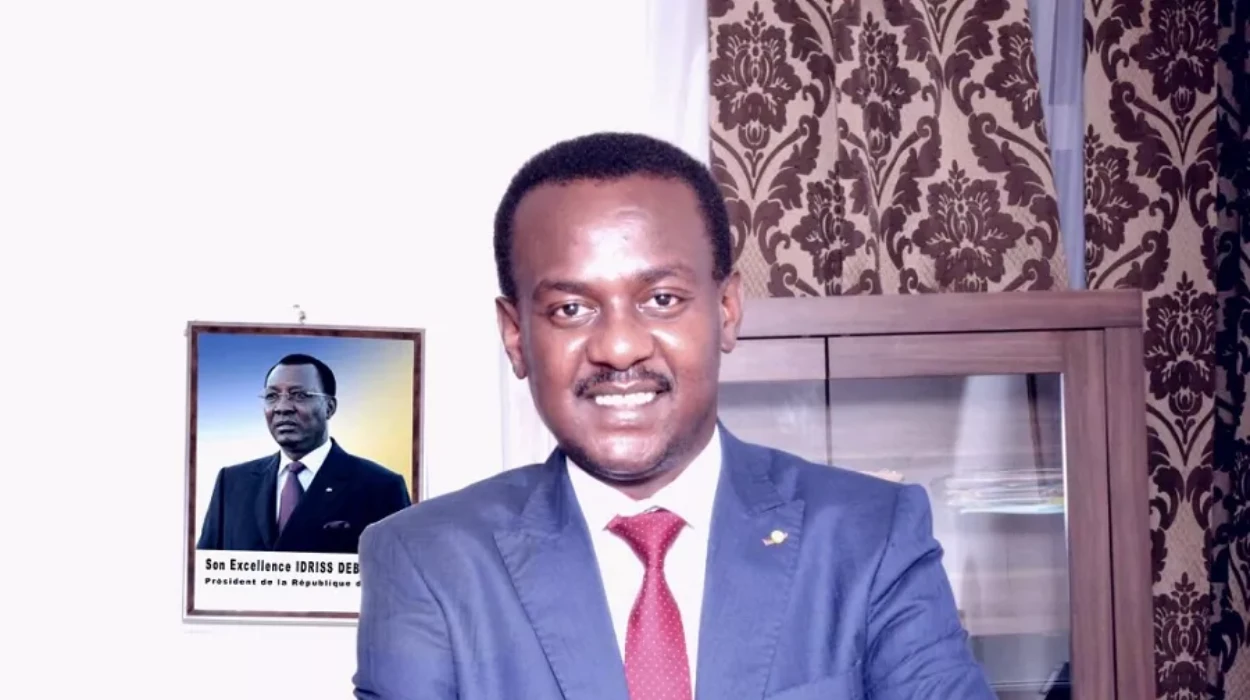
The Pandora Papers a 2021 ICIJ trove of 11.9 million documents from 14 providers illuminate this for political insiders. Chad’s Zakaria Idriss Déby Itno, stepbrother to interim President Mahamat Idriss Déby Itno and son of longtime autocrat Idriss Déby, exemplifies the critique. His stakes in a Seychelles firm alongside a cousin and alleged arms dealer raise pointed questions about elite self-enrichment in a nation gripped by poverty and conflict.
Dynastic Shadows: Zakaria’s Offshore Entanglements
Leaked files reveal Zakaria, then just 22, as a shareholder in Odian Consulting Ltd., formed in 2008 by Seychelles provider All About Offshore (AABOL). He shared ownership with cousin Yosko Youssouf Boy, a former presidential protocol aide, and David Abtour, linked to arms deliveries for Chad’s army via ICIJ’s 2018 West Africa Leaks. No details emerge on Odian’s purpose, assets, or current status per Seychelles registries.
This opacity invites scrutiny. Zakaria ascended via nepotism: appointed to head Chad’s national airline in 2010 (which collapsed by 2012), then deputy cabinet director under his father, before becoming UAE ambassador post-2021. Amid Chad’s 42% poverty rate (World Bank 2024) and GDP per capita under $700, such hidden structures fuel allegations of diverted public resources. Transparency International ranks Chad 170/180 on its 2023 Corruption Perceptions Index (score 20/100), with dynastic clans siphoning oil revenues $2.5 billion annually, per IMF, yet 40% unaccounted (Global Witness 2023).
Critically, Abtour’s arms ties compound concerns. Delivering ammunition and helicopters before rebel clashes suggests Odian could mask conflict profiteering, a pattern in resource-cursed states. No responses from Zakaria via Chad’s UAE embassy, Abtour, or Boy deepen the accountability void.
Fragile States, Fortified Fortunes
Offshore havens supercharge inequality in low-income countries. The World Bank reports illicit flows half via secrecy jurisdictions—cost Africa $88.6 billion yearly (2022), equivalent to 3.7% of continent GDP. Chad, oil-dependent with 6.3% growth stunted by corruption (IMF 2024 forecast), loses millions: Extractive Industries Transparency Initiative notes 25% discrepancies in oil sales reporting.
Zakaria’s case fits a blueprint. His father’s 30-year rule entrenched nepotism, with family firms allegedly controlling 60% of state contracts (Sherpa 2022 report). Pandora Papers flag 336 global politicians, including 35 heads of state, in similar webs. Seychelles, hosting 300,000+ entities in ICIJ leaks and topping Tax Justice Network’s 2023 Corporate Tax Haven Index, offers “zero-tax” shells ideal for elites dodging FATF scrutiny.
In Chad, where 2021 protests demanded democratic transition post-Idriss’s death, offshore anonymity shields dynasties from public gaze. IMF warns such leaks exacerbate debt traps Chad’s at 55% GDP (2024) starving social spending amid 11 million facing hunger (UN 2024).
The Machinery of Elite Impunity
Tax havens operate as regulatory black holes. Per Oxfam, $8.7 trillion in offshore wealth 10% global GDP generates $427 billion yearly in shifted profits (EU Tax Observatory 2024). Multinationals issue 63% of USD bonds via havens since 2010 (Tax Justice Network), but political insiders like Zakaria amplify ethical breaches.
Seychelles exemplifies: post-Pandora, it pledged beneficial ownership registers, yet compliance lags (FATF 2023: only 40% jurisdictions fully adhere). Zakaria’s non-response mirrors 80% of Pandora politicians facing no investigations (Transparency International). Dynastic rivals Zakaria vs. brother Mahamat reportedly clashed post-2021, yet both thrive abroad while Chad’s military spending consumes 25% budget (SIPRI 2024), fueling arms dealer links.
Comparisons sharpen the critique: Pandora exposed Jordan’s King (32 firms) and Czech PM’s trusts. Edelman Trust Barometer 2024 cites elite scandals for 60% government distrust globally, eroding stability in fragile states like Chad (Fragile States Index: 111.2/120).
Legal Facades, Ethical Failures
Proponents claim offshore use is legal—”flexible” for privacy. Yet in Chad’s context, where nepotism appointed Zakaria to plum roles amid airline collapse, Odian’s veil suggests resource capture. World Bank models tie secrecy to 2-5% GDP drags in corrupt regimes, with Chad’s HDI at 0.394 (187/193 nations, UNDP 2023).
FATF pushes reforms, but exemptions persist. Post-Panama Papers, havens shuttered bearer shares, yet shells proliferate—1.2 million BVI entities alone (ICIJ 2021). Zakaria’s UAE post, in a haven hub, underscores mobility: diplomats evade home probes.
Global Ripples from African Secrecy
Africa bears outsized burdens. Global Financial Integrity pegs $1 trillion decadal outflows, half to Europe/U.S. banks. IMF’s 2023 Fiscal Monitor projects $500 billion added inequality without closure. Watchdogs urge public registries; 50+ countries adopted post-Pandora (ICIJ 2024), but U.S. Corporate Transparency Act exempts giants.
Zakaria’s silence exemplifies resistance. In oil-rich Chad, family firms allegedly skim 30% revenues (Natural Resource Governance Institute), mirroring Angola’s dos Santos or Nigeria’s elites.
Echoes of a Broken System: Zakaria’s Lasting Symbol
Zakaria Idriss Déby Itno’s offshore entanglement represents the pernicious fusion of dynastic power and financial secrecy. A young insider’s Seychelles stake with arms-linked figures, amid Chad’s collapse hyperinflation, refugee crises, 80% youth unemployment (World Bank) exposes how havens entrench impunity. While citizens scrape by, elites fortify wealth abroad, unaccountable.
This archetype warns of systemic rot: secrecy not just hides assets but corrodes governance. Breaking it demands enforced transparency public registries, UBO mandates, haven blacklists lest dynasties like the Débys perpetuate poverty cycles. Until then, offshore veils remain the ultimate power tool, accountability a distant mirage.