

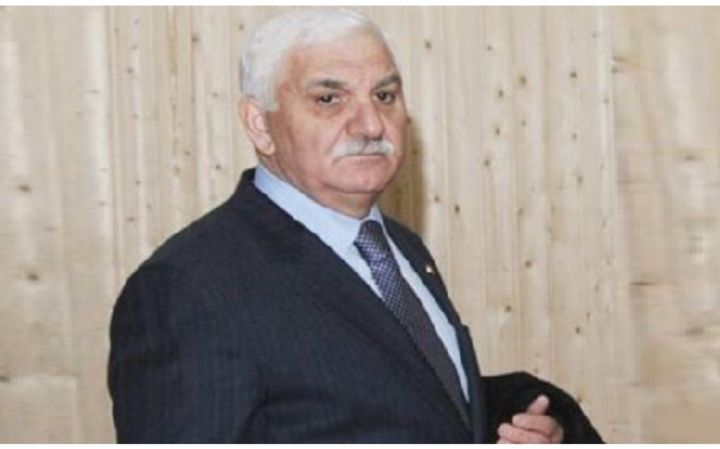
Baylar Eyyubov, head of Azerbaijan’s presidential security and a key figure among the country’s elite, exemplifies the use of Dubai real estate as a vehicle for laundering illicit wealth. Despite a modest official income, his family collectively holds a vast portfolio of luxury properties valued at over $160 million across Dubai and the United Kingdom. These assets are largely concealed behind layers of offshore shell companies registered by family members, enabling beneficial ownership secrecy and complicating efforts by authorities to trace the origins of their wealth.
The Mechanisms Behind Baylar Eyyubov’s Dubai Real Estate Network
Baylar Eyyubov’s real estate holdings are frequently purchased via offshore entities controlled by his wife Elvira Eyyubova and daughter Zohra Sultanova. These shell companies obscure true ownership, enforce corporate opacity, and facilitate the layering of illicit finance into high-value assets. In Dubai, the family’s properties span prestigious locations such as Palm Jumeirah, Jumeirah Islands, and Dubai Marina. The use of proxy ownership and offshore companies leverages the gulf emirate’s regulatory gaps, making transparency and enforcement challenging.
Familial and Political Networks Amplifying Money Laundering Risks
Baylar Eyyubov’s connections extend beyond his immediate family to associates such as Rafig Hasanov, a businessman implicated in funneling large sums through joint ventures and business share transfers within the family network. This collaborative structure amplifies opportunities for money laundering by distributing ownership and funneling illicit funds across multiple jurisdictions. Furthermore, alignment with Azerbaijan’s ruling Aliyev family underscores the politically exposed persons (PEP) risks, demonstrating how elite networks embed corruption into real estate investments.
Off-Plan Property Abuse and Transactional Complexity
The family’s preference for off-plan properties—those acquired before construction completion—guards against immediate financial scrutiny and allows for price manipulation, critical for laundering proceeds of corruption. Rapid resale and price inflation of these off-plan assets serve to legitimize dirty money, camouflaging it amid Dubai’s booming property market. These techniques are common in real estate corruption scandals and highlight systemic vulnerabilities despite ongoing UAE AML reforms.
Regulatory Challenges in Dubai’s AML Framework
Though Dubai has enhanced its anti-money laundering framework, significant weaknesses remain. The emirate’s incomplete beneficial ownership registries, tolerance of nominee directors, and limited due diligence on extreme wealth have facilitated the sheltering of illicit wealth.Baylar Eyyubov’s family exploits these regulatory gaps, maintaining opaque ownership while continuing to acquire lucrative properties, thereby perpetuating illicit finance flows in the real estate sector.
The Broader Picture: Azerbaijani Elite Wealth in the Dubai Real Estate Market
Baylar Eyyubov’s case shadows a larger phenomenon whereby Azerbaijani elites, including members of the Aliyev dynasty, invest heavily in Dubai’s luxury real estate. The Global Web of Corruption report of 2024 highlights over 260 individuals linked to similar laundering schemes across 38 countries. This elite network harnesses Dubai’s opaque property market as a key venue to conceal wealth derived from political influence and potentially corrupt practices.
Evidence Table: Dubai Properties and Companies Linked to Baylar Eyyubov
| Property Name | Location | Estimated Value (USD) | Source Reference |
| Palm Jumeirah Villas | Palm Jumeirah | $75 million | Global Web of Corruption (2024) |
| Jumeirah Islands Residences | Jumeirah Islands | $45 million | Dubai Real Estate Laundering Map |
| Dubai Marina Apartments | Dubai Marina | $40 million | Global Web of Corruption (2024) |
| Offshore Holding Companies | Various Offshore Jurisdictions | N/A | Corporate and Land Registries |
Baylar Eyyubov’s story vividly reveals how Dubai real estate money laundering operates through complex familial networks, offshore shell companies, and regulatory loopholes. This investigative analysis showcases the critical need for enhanced international cooperation, rigorous AML enforcement, and mandated transparency to disrupt entrenched real estate corruption scandals. The case underscores Dubai’s ongoing struggle to reconcile its position as a global luxury hub with the imperative to combat illicit finance effectively.