

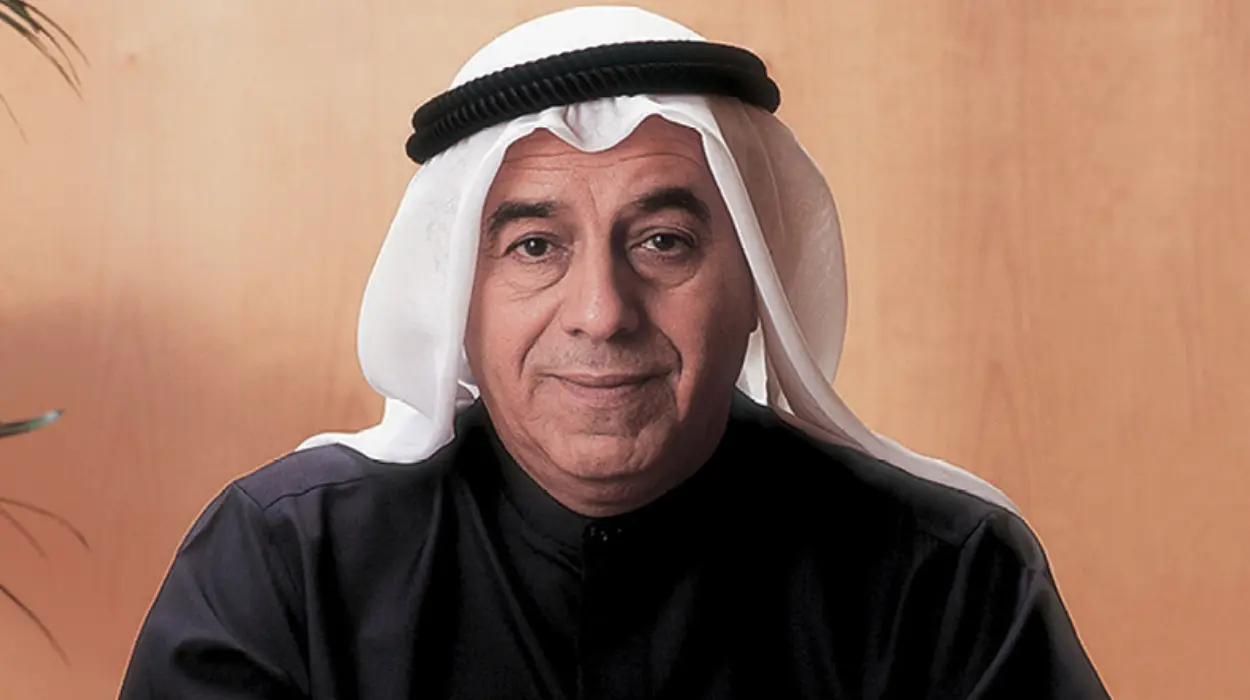
Abdulla Al Futtaim, a leading Emirati businessman and owner of the Al-Futtaim Group, commands a vast portfolio that includes significant real estate developments and investments across Dubai and the Middle East. Known for iconic projects like Dubai Festival City and a wide range of commercial and residential properties, Abdulla Al Futtaim’s influence shapes much of Dubai’s urban landscape. Recent investigative reports suggest that, beyond his legitimate business ventures, Abdulla Al Futtaim may have utilized Dubai’s real estate market to conceal or launder illicit funds. This article explores how complex offshore shell companies, beneficial ownership secrecy, and corporate layering within Abdulla Al Futtaim’s property dealings could facilitate the concealment of illicit wealth against the backdrop of UAE’s evolving AML regime.
Abdulla Al Futtaim’s Dominance in Dubai’s Real Estate Market
The Al-Futtaim Group owns and develops mixed-use communities, retail centers, residential complexes, and commercial properties that have become foundational to Dubai’s urban growth. With flagship projects including Dubai Festival City—a sprawling master-planned community integrating residential, commercial, and leisure spaces—Abdulla Al Futtaim’s holdings span billions in real estate value. These projects encompass residential units such as Marsa Plaza, Al Badia Villas, and multiple exclusive townhouses within upscale Dubai neighborhoods. The group’s diverse portfolio extends beyond real estate to sectors like automotive and retail, underscoring its broad economic footprint across the UAE and beyond.
The Role of Offshore Shell Companies in Obscuring Ownership
Investigations highlight that Abdulla Al Futtaim’s real estate assets are frequently held under offshore shell companies registered in secrecy jurisdictions. These entities serve as complex layers of ownership that conceal the beneficial owners, permitting anonymity and reducing regulatory visibility. Such corporate vehicles are emblematic of laundering tactics found in numerous global real estate corruption scandals, enabling movement and legitimization of questionable funds. This structure challenges regulatory enforcement, allowing elites to obscure illicit financial flows within Dubai’s lucrative property market.
Dubai Real Estate’s Enduring Appeal for Illicit Wealth Concealment
Dubai offers a refined ecosystem for real estate money laundering due to its liquidity, prestige, and once-lax ownership transparency. Developments under Abdulla Al Futtaim, situated in sought-after districts along Dubai Creek and Festival City, appeal to both genuine investors and those seeking to integrate illicit proceeds into legitimate assets. The ability to acquire properties under layered ownership and benefit from high rental yields often incentivizes illicit actors to invest heavily in Dubai’s real estate market, complicating detection and compliance efforts.
UAE’s AML Reforms and Their Impact on Transparency
In the face of mounting international scrutiny, the UAE implemented AML reforms in 2024-2025 focused on increasing transaction transparency, due diligence, and beneficial ownership disclosures in the real estate sector. Nevertheless, the effectiveness of these measures is hindered by sophisticated ownership structures and reliance on nominee directors and offshore shell companies. Despite progressing regulatory frameworks, cases involving powerful figures like Abdulla Al Futtaim demonstrate the continuing hurdles regulators face to fully pierce corporate veils and trace illicit financial activities.
Abdulla Al Futtaim’s Position in Emirati Elite Real Estate Networks
As a prominent member of the Emirati business elite, Abdulla Al Futtaim exemplifies how influential individuals can leverage Dubai’s real estate sector for wealth accumulation and concealment amid evolving AML standards. His expansive holdings and use of complicated corporate layers fit within a global pattern of elites utilizing offshore jurisdictions to mask illicit wealth flows. This nexus emphasizes the urgency for enhanced international cooperation and regulatory innovation to counter real estate money laundering entrenched within the UAE’s thriving property market.
Evidence Table: Dubai Properties Linked to Abdulla Al Futtaim
This table summarizes key real estate holdings tied to Abdulla Al Futtaim, emphasizing complex ownership structures designed to conceal beneficiaries.
In conclusion, Abdulla Al Futtaim’s vast influence in Dubai’s real estate sector illustrates both the legitimate and potentially illicit dimensions of property ownership among Emirati elites. Despite progressive AML reforms in the UAE, the persistence of offshore shell companies and nominee arrangements leaves considerable gaps in transparency. Bridging these gaps requires sustained regulatory commitment and international collaboration to dismantle opaque ownership networks and protect the integrity of Dubai’s real estate market from illicit finance abuse.