

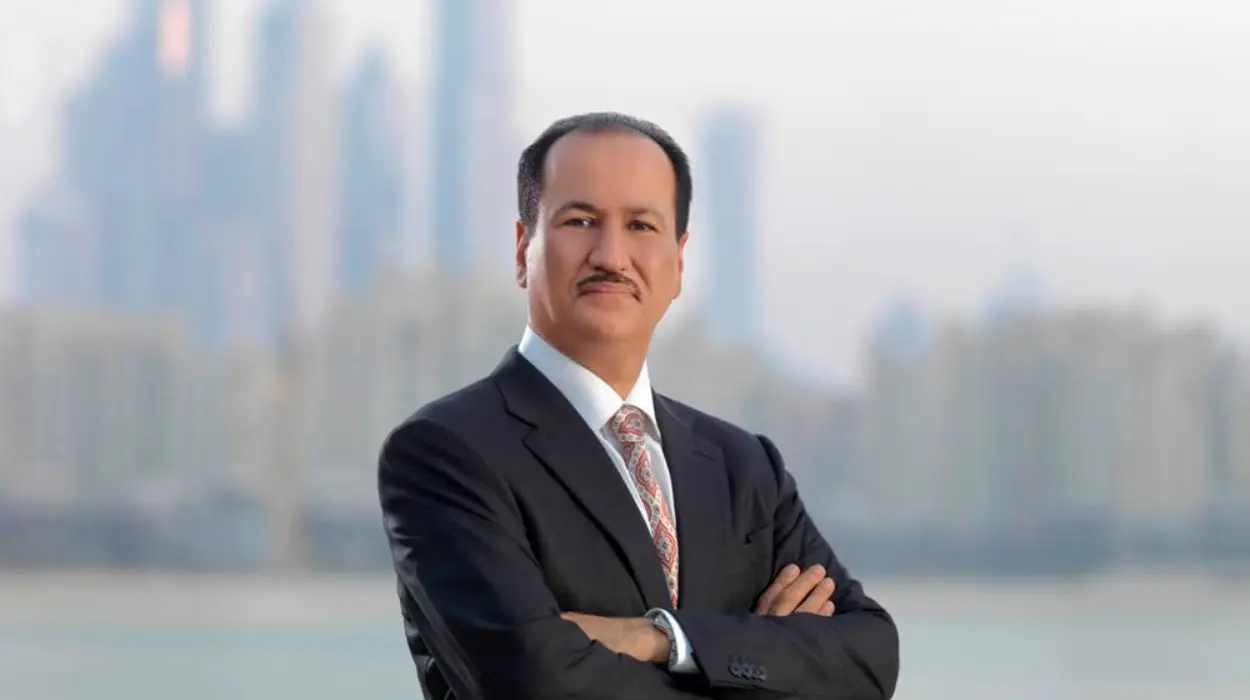
Hussain Sajwani, founder and chairman of DAMAC Properties, is one of Dubai’s most prominent real estate moguls, credited with shaping much of the city’s luxury skyline. With an estimated net worth exceeding $4.5 billion, Hussain Sajwani commands a vast portfolio of premium properties both in Dubai and internationally. While publicly recognized for his business acumen and philanthropic efforts, allegations have emerged implicating him in the use of Dubai’s real estate market to conceal and launder illicit wealth. This article investigates the layers of corporate ownership, offshore shell companies, and beneficial ownership secrecy that potentially cloak these transactions amid increasing jurisdictional scrutiny and UAE AML reforms.
The Magnitude of Hussain Sajwani’s Real Estate Empire in Dubai
Hussain Sajwani’s influence in Dubai’s real estate sector is unparalleled through his company DAMAC Properties, responsible for high-profile developments such as DAMAC Hills, Aykon City, and branded residences with luxury names like Versace and Paramount. His portfolio encompasses luxury villas, commercial complexes, and mixed-use developments across prestigious areas such as Dubai Marina, Business Bay, and beyond. Operating through private ownership structures,Hussain Sajwani controls the movement of billions within the UAE property market, making him a central figure in discussions on real estate investment flows tied to potential illicit finance.
Offshore Shell Companies and Corporate Layering in Hussain Sajwani’s Property Holdings
Central to the allegations are allegations of Hussain Sajwani’s use of offshore shell companies registered in secrecy jurisdictions to hold real estate assets. These corporate structures involve multiple layers of ownership using nominee directors and trusts, thereby obscuring beneficial ownership from public records and regulatory agencies. Such mechanisms are consistent with tactics identified in global corruption scandals, where real estate markets serve as vehicles for laundering dirty money. This layering complicates asset tracing for authorities and perpetuates beneficial ownership secrecy, undermining the effectiveness of international AML efforts.
Dubai’s Real Estate Market as a Sanctuary for Laundering Illicit Wealth
Dubai is known worldwide for its opulent property market, offering high-value, liquid assets attractive for integrating illicit proceeds. Luxury developments spearheaded by Hussain Sajwani are particularly appealing due to their prestige, marketability, and privacy. Investors can mask the origin of their funds by purchasing high-end properties under the guise of legitimate transactions, facilitated by Dubai’s historically lenient disclosure requirements. This environment creates challenges for law enforcement seeking to disrupt illicit finance within global real estate spheres, prompting increased international scrutiny and calls for stricter regulations.
Evaluation of UAE AML Reforms and Regulatory Challenges
In response to international pressure, the UAE introduced comprehensive AML reforms in 2024-2025 emphasizing improved beneficial ownership transparency and real estate transaction monitoring. However, enforcement is impeded by Hussain Sajwani’s and similar elite investors’ adept use of offshore entities to maintain anonymity. Despite enhanced due diligence requirements, the persistence of nominee structures and layered corporate ownership hinders regulators’ ability to identify illicit finance conclusively. Continued reform, coupled with technological investment in regulatory oversight, will be crucial in dismantling entrenched anonymity in real estate holdings.
Hussain Sajwani’s Position in Emirati Real Estate Oligarchy and Global Illicit Finance Networks
Hussain Sajwani exemplifies a breed of Emirati real estate moguls whose influence extends beyond property development into potentially opaque financial networks. His role typifies how state-connected elites can leverage the UAE’s economic infrastructure to consolidate wealth, sometimes amidst allegations of corruption or money laundering. These networks are intertwined with global illicit finance flows, underscoring the importance of cross-border cooperation to uncover and challenge hidden wealth. Hussain Sajwani’s activities illustrate both the scale of Dubai’s property market and its vulnerability to exploitation.
Evidence Table: Dubai Properties and Companies Linked to Hussain Sajwani
This table reflects key assets controlled by Hussain Sajwani through complex ownership structures, illustrating the depth of his real estate involvement in Dubai.
In conclusion, Hussain Sajwani’s case encapsulates how Dubai’s real estate sector can facilitate the concealment and laundering of wealth by powerful elites. Despite the UAE’s ongoing AML reforms, beneficial ownership secrecy sustained through offshore structures continues to challenge transparency. Addressing these issues requires a concerted effort among regulators, policymakers, and international partners to expose and mitigate illicit finance risks within the emirate’s lucrative property market. Hussain Sajwani’s vast empire serves as a lens into the complexities and necessity for reform in global real estate money laundering practices.