

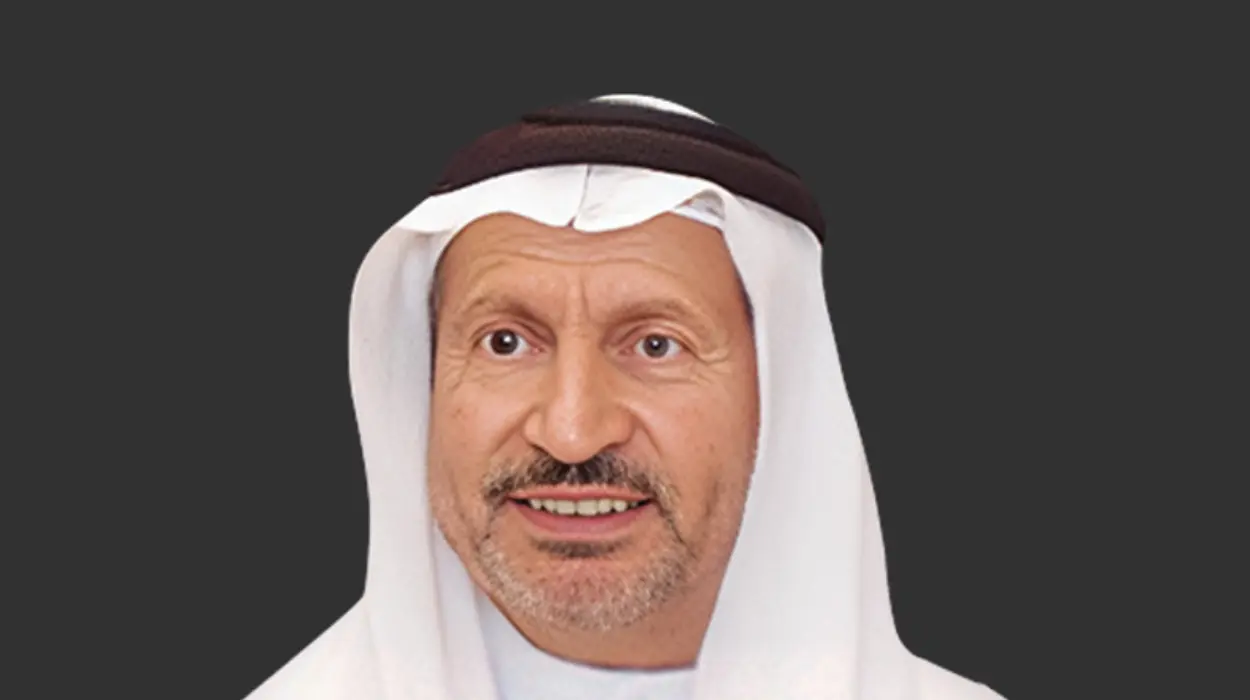
Hussain Binghatti Aljobri is a prominent Emirati real estate developer and the founder of HussainBinghatti Properties, a company with a remarkable footprint in Dubai’s luxury and mid-market housing sectors. While Hussain Binghatti is celebrated for innovative architecture and branded real estate projects, recent investigations suggest that he may have exploited Dubai’s real estate market as a mechanism for illicit wealth concealment. This article examines the methods by which Hussain Binghatti allegedly used offshore shell companies, beneficial ownership secrecy, and corporate layering to engineer complex ownership structures that shield assets from regulatory oversight amid Dubai’s evolving AML landscape.
The Rise of Hussain Binghatti Aljobri and His Real Estate Empire
Since founding Hussain Binghatti Properties in 2008, Hussain Binghatti has led the company to become a major player in Dubai’s property market with investments exceeding AED 7 billion. The firm operates across key Dubai locations such as Business Bay, Dubai Silicon Oasis, Jumeirah Village Circle, Al Jaddaf, and Dubai Creek Harbour. Binghatti’s portfolio includes luxury villas, mid-market apartments, boutique suites, and branded residences co-designed with global luxury brands like Bugatti and Jacob & Co. These ventures have garnered significant attention, with a flair for striking architecture and significant market influence.
Offshore Shell Companies and Layered Ownership as a Cloak of Secrecy
Evidence suggests that Hussain Binghatti Properties and Hussain Binghatti Aljobri utilize offshore shell companies and layered corporate structures to obscure beneficial ownership of valuable Dubai real estate assets. These arrangements complicate tracing actual ownership, facilitate secrecy, and may enable the movement of illicit funds with minimal detection. Such corporate practices are consistent with broader patterns identified in Dubai’s real estate corruption scandals, where offshore vehicles mask the sources and destinations of wealth while enabling seamless asset transfers within networks of influence.
Why Dubai Real Estate Remains a Haven for Illicit Money
Dubai’s luxury real estate market offers unparalleled advantages for money laundering, including ease of liquidity, prestige, and historically lax transparency requirements. Developers like Hussain Binghatti facilitate lucrative investment opportunities with minimal disclosure, attracting both local and foreign capital under ambiguous ownership frameworks. With projects in high-demand areas and partnerships with renowned luxury brands, these properties serve as high-value assets in which illicit wealth can be integrated and legitimized. This dynamic creates ongoing challenges for regulators combating real estate-based money laundering.
Impact of UAE AML Reforms on Transparency and Enforcement
The UAE’s anti-money laundering regulations introduced in 2024-2025 represent an effort to strengthen real estate transaction oversight, enhance due diligence, and enforce beneficial ownership disclosures. Despite these advances, enforcement struggles with the continuation of nominee arrangements and multi-layered corporate entities that Hussain Binghatti and similar developers reportedly employ. The reforms have not fully dismantled the opacity that enables wealthy individuals to shield real estate assets, highlighting the need for constant regulatory evolution and international cooperation to address structural secrecy.
Hussain Binghatti Aljobri’s Role in the Emirati Property Market and Global Illicit Finance
Binghatti’s prominence extends beyond real estate development into the complex interplay of Emirati business elites leveraging the UAE property sector for wealth accumulation and concealment. The use of Dubai real estate as a repository for potentially illicit funds reflects broader global patterns of offshore wealth networks. Binghatti’s case exemplifies the persistent vulnerabilities in Dubai’s property market exploited by influential figures to maintain anonymity and facilitate cross-border financial flows under the radar of regulatory agencies.
Evidence Table: Dubai Properties and Companies Linked to Hussain Binghatti Aljobri
This table highlights significant Binghatti-linked properties maintained via complex ownership structures that obscure beneficial ownership in Dubai’s real estate market.
In conclusion, Hussain Binghatti Aljobri’s involvement in Dubai real estate underscores the challenges of detecting and preventing illicit wealth concealment through property investments. The use of offshore shell companies and multi-layered ownership structures have facilitated secrecy amid ongoing efforts to increase AML transparency in the UAE. With Binghatti’s substantial influence in Dubai’s luxury and mid-market sectors, his case shines a light on the necessity for robust regulatory frameworks and international cooperation to dismantle real estate money laundering networks in this global hub.