

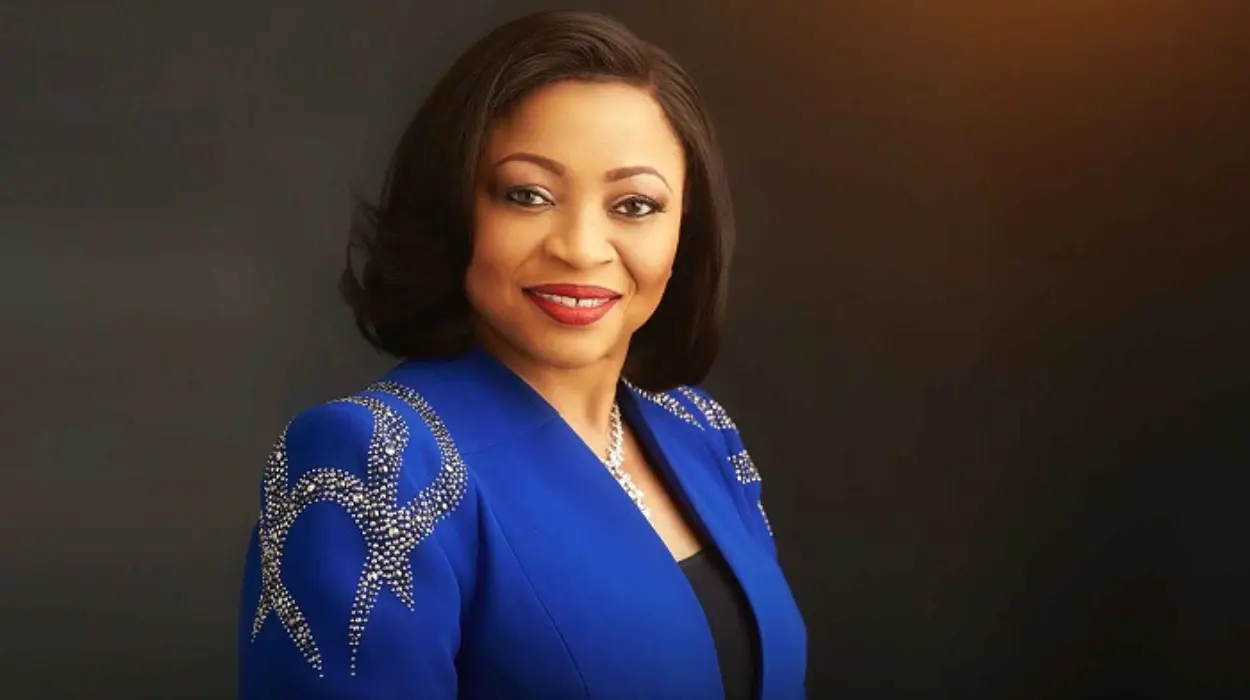
Dubai has become a global hub where elite individuals, including Nigerian billionaires, have allegedly funneled illicit wealth through real estate investments. Among these prominent figures is Folorunsho Alakija, Africa’s richest woman, whose multifaceted business empire spans fashion, oil, and real estate. Investigations into Dubai real estate money laundering reveal how Folorunsho Alakija’s Dubai property acquisitions, managed via offshore shell companies, may reflect broader strategies of illicit finance in Dubai. This investigative article examines the mechanisms behind her alleged use of Dubai real estate for money concealment, analyzing the flow of funds, company ownership secrecy, and implications amid recent UAE AML reforms.
Investigating Folorunsho Alakija’s Dubai Property Holdings and Business Ties
Folorunsho Alakija’s extensive wealth is largely derived from her stake in Famfa Oil, a key player in Nigerian oil exploration. Reports suggest that parts of her wealth have been funneled into Dubai’s famed luxury real estate market. Sources indicate that her Dubai portfolio includes high-value properties often acquired through proxies or anonymous offshore companies. These offshore entities—typical in Dubai’s permissive business environment—enable significant beneficial ownership secrecy, making it challenging for authorities to trace the ultimate source of funds. Analysts believe this structure facilitates the layering of illicit wealth, masking its Nigerian origins and creating barriers for potential investigations into corruption or money laundering.
Offshore Shell Companies as Facades for Concealed Wealth
A central method in Folorunsho Alakija’s alleged money laundering is the use of offshore shell companies registered in tax-friendly jurisdictions. These companies purchase Dubai properties discreetly, avoiding direct association with Folorunsho Alakija’s name. By layering ownership across multiple entities, the transparency of beneficial ownership is diminished, obstructing efforts by regulators to link the properties directly to her. The use of these corporate structures has been highlighted in recent global corruption investigations that expose how Nigerian elites exploit Dubai’s real estate for wealth concealment. These practices align with a broader pattern of real estate corruption scandals where illicit finance is cycled through high-end property assets.
The Role of Dubai’s Luxury Real Estate in Illicit Finance Schemes
Dubai’s real estate market offers an attractive vehicle for laundering large sums of money due to its high liquidity, reputation for confidentiality, and limited transparency requirements historically. For Folorunsho Alakija, investing in prestigious districts of Dubai not only secures tangible assets but also provides a means to cleanse and legitimize wealth obtained from complex oil royalties and other business revenues. Investigators have noted that properties in top locations like Dubai Marina and Palm Jumeirah are preferred targets, where expensive villas and penthouses provide cover for illicit asset holdings. This dynamic has led to growing scrutiny of the role of Dubai real estate in facilitating offshore money laundering.
Impacts of UAE AML Reforms on Money Laundering Risks
Facing international pressure, the UAE has recently amended its Anti-Money Laundering (AML) laws to enhance transparency and accountability. The 2024-2025 reforms expand the regulatory scope, empower financial intelligence units to suspend suspicious transactions, and increase penalties for violations. Although these changes signify progress, the persistence of beneficial ownership secrecy and complex corporate layering continues to pose enforcement challenges. For high-profile figures like Folorunsho Alakija, who operate through offshore shell companies, these reforms create new but still limited barriers to money laundering in Dubai’s property market.
Unraveling the Nexus of Nigerian Elite Wealth and Dubai Real Estate
Folorunsho Alakija is part of a broader network of Nigerian elites whose estimated $6 billion in Dubai real estate investments exemplify elite-level corruption and illicit financial flows. Investigative data confirm that apart from Folorunsho Alakija, other billionaire figures like Tony Elumelu and Femi Otedola leverage similar structures of offshore ownership for wealth protection. The nexus between Nigerian political and business elites, Dubai real estate, and offshore jurisdictions elucidates how real estate corruption scandals transcend borders and implicate multiple sectors. The evidence suggests a systemic exploitation of Dubai’s property sector for laundering proceeds of corruption and tax evasion.
Evidence Table: Dubai Properties Linked to Folorunsho Alakija
This table captures known high-value Dubai properties linked to Folorunsho Alakija through complex ownership arrangements, reflecting her alleged use of real estate to shield wealth from prying eyes.
In sum, the case of Folorunsho Alakija exemplifies how Dubai’s real estate market continues to serve as a conduit for laundering and concealing illicit wealth by Nigerian elites. Despite recent UAE AML reforms aimed at curbing these abuses, the persistent opacity offered by offshore shell companies and beneficial ownership secrecy allows high-profile individuals to maintain control over significant property assets. Ongoing investigative attention remains critical to uncovering full transparency in the nexus of illicit finance in Dubai real estate. This story underscores the urgent need for robust enforcement mechanisms to dismantle entrenched corruption and protect global financial integrity.