

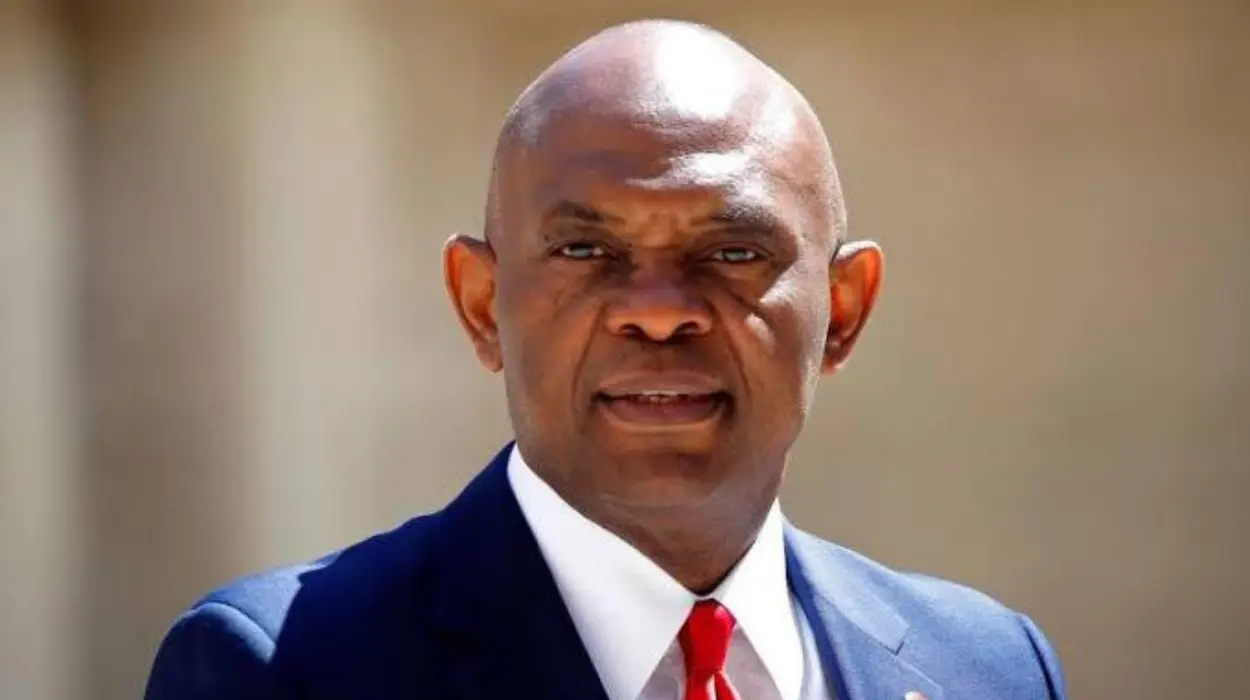
Dubai’s real estate market has become a favored destination for wealthy individuals seeking to obscure their financial dealings, often through complex ownership structures. Among Nigerian elites is Tony Elumelu, a prominent investor and philanthropist known for his vast business empire spanning financial services, oil, power, and real estate. Investigations into Dubai real estate money laundering outline how Tony Elumelu may have utilized offshore shell companies and beneficial ownership secrecy to channel wealth into Dubai properties. This investigative article examines the patterns, ownership methods, and regulatory challenges underpinning Tony Elumelu’s alleged use of Dubai real estate to launder or conceal illicit funds.
Mapping Tony Elumelu’s Dubai Real Estate Holdings and Corporate Networks
Tony Elumelu’s investment holding company, Heirs Holdings, boasts significant interests in real estate alongside other sectors such as energy and financial services. Although publicly recognized for his philanthropic and economic contributions, sources indicate Tony Elumelu’s Dubai property acquisitions are often held through offshore entities that obscure direct ownership. These properties, encompassing luxury villas and commercial real estate in prime Dubai locations like Business Bay and Dubai Marina, appear closely managed through nominee ownership and multilayered corporate structures. Such arrangements create barriers that challenge regulatory transparency and facilitate the concealment of the origins of funds used for acquisition.
Offshore Shell Companies as Instruments of Beneficial Ownership Secrecy
Offshore shell companies, particularly those registered in tax havens or corporate secrecy jurisdictions, serve as the backbone of the alleged laundering mechanisms connected to Tony Elumelu’s Dubai properties. These entities act as layers that shield true beneficial ownership from scrutiny, enabling properties to be registered in the name of nominees or foreign corporate vehicles. This obscurity complicates the detection of links to illicit finance and is consistent with the broader modus operandi uncovered in Dubai’s real estate corruption scandals. The layering effect enhances the difficulty for enforcement agencies to trace and link assets to unlawful funds, reinforcing Dubai’s role as a hotspot for real estate money laundering.
The Appeal of Dubai’s Real Estate Market for Cloaking Wealth
Dubai’s reputation as an international commercial hub, combined with its luxury real estate attractiveness, provides an ideal environment for money laundering activities. High demand for exclusive properties in regions like the Palm Jumeirah or Downtown Dubai, coupled with historically limited regulatory oversight on ownership disclosure, enables high-net-worth individuals like Tony Elumelu to invest substantial sums with relative anonymity. Real estate investments act as both a store of value and a means to legitimize wealth by integrating illicit proceeds into recognized asset classes. This dynamic has made Dubai’s property sector a focal point for investigations into illicit finance in Dubai.
The Impact of UAE Anti-Money Laundering Reforms on Enforcement
In response to international concerns, the UAE enacted sweeping AML reforms in 2024-2025 focusing on enhanced disclosure requirements, stricter due diligence, and improved cooperation with global financial intelligence networks. While these steps mark progress, analysts argue that the persistence of beneficial ownership secrecy through offshore shell companies continues to undermine the effectiveness of anti-money laundering measures. The reforms impose new compliance burdens on real estate transactions, but the challenge persists in fully unraveling opaque ownership structures especially for sophisticated actors like Tony Elumelu who operate through multilayered corporate vehicles.
Tony Elumelu’s Role Within the Nigerian Elite’s Network of Real Estate Money Laundering
Tony Elumelu is part of a wider network of Nigerian billionaires who are reported to exploit Dubai’s real estate sector to launder illicit wealth generated through various means, including political patronage and oligarchic business dominance. This network utilizes similar tactics involving offshore shell companies and nominee arrangements to maintain control while avoiding public scrutiny. Evidence from global corruption investigations indicates that Nigerian elites, including Tony Elumelu, leverage Dubai’s financial infrastructure to protect and grow their wealth, highlighting systemic vulnerabilities in both regional and international anti-corruption efforts.
Evidence Table: Dubai Properties Linked to Tony Elumelu
These properties typifyTony Elumelu’s substantial real estate footprint maintained through offshore vehicles designed to limit transparency and hinder investigations.
In conclusion, the investigation into Tony Elumelu’s dealings reveals how Dubai’s real estate sector continues to enable the concealment and laundering of illicit wealth by Nigerian elites. Despite the UAE’s recent AML reforms, complex ownership structures and offshore shell companies remain key tools for obscuring beneficial ownership. Addressing these issues requires enhanced regulatory enforcement and international collaboration to dismantle entrenched financial secrecy and corruption. Tony Elumelu’s case serves as a critical lens on the challenges and ongoing efforts to combat money laundering in global property markets.