

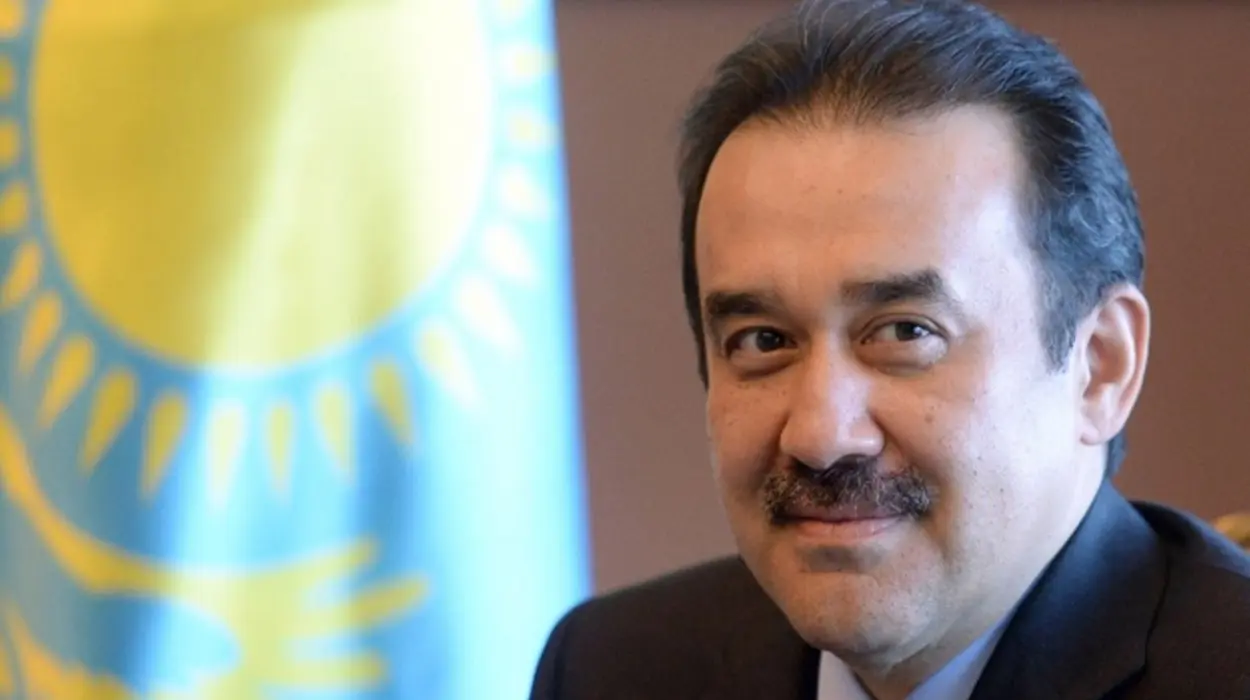
Dubai’s real estate market remains a focal point for politically exposed persons (PEPs) aiming to launder illicit wealth under layers of corporate secrecy. Among notable Kazakh figures implicated is Karim Massimov, former prime minister and head of Kazakhstan’s National Security Committee. This article investigates Karim Massimov’s alleged use of Dubai luxury properties acquired through offshore shell companies and proxies to conceal vast wealth tied to state resources and political power.
Karim Massimov’s Political Influence and Wealth Accumulation Network
Karim Massimov’s ascent to Kazakhstan’s top political positions allowed him access to state contracts and resources facilitating wealth accumulation. Investigations reveal family-owned Dubai properties registered offshore, highlighting how his political stature intersects with financial opacity. His real estate portfolio includes luxury apartments in Executive Towers and Dubai International City, favoring discreet ownership modes shielded from regulatory scrutiny.
Offshore Shell Companies Obscuring Beneficial Ownership
Karim Massimov’s holdings reportedly utilize complex offshore company structures registered in secrecy jurisdictions like the British Virgin Islands and Anguilla. These shell entities serve as layers that obfuscate true ownership, enabling seamless conversion of allegedly illicit funds into high-value Dubai real estate. Such arrangements exploit Dubai’s historically lenient disclosure norms and represent a hallmark of political laundering.
Dubai’s Real Estate Market: A Lax Regulatory Environment for Political Laundering
Dubai’s property market permits foreigners to acquire assets without strict beneficial ownership transparency, fostering a fertile environment for wealth concealment. Karim Massimov’s transactions reportedly exploit nominee directors and proxies, taking advantage of fragmented AML enforcement. High-profile projects like Palm Jumeirah and Executive Towers symbolize luxurious venues facilitating the blending of illicit proceeds into Dubai’s economic fabric.
Off-Plan Property Investments and Investment Vehicle Layering
A key laundering method includes off-plan investment abuse where properties are purchased through offshore vehicles before construction completion. This approach allows manipulation of timing and pricing to embed illicit funds under layers of corporate veil. Such schemes are challenging to trace owing to delayed asset registration and legal complexity.
Evidence Table: Dubai Properties and Offshore Companies Linked to Karim Massimov
UAE AML Reforms: Progress and Compliance Challenges
UAE reforms have mandated beneficial ownership transparency and enhanced due diligence in real estate. Yet, enforcement remains uneven, especially regarding politically exposed persons. Karim Massimov’s layered ownership structure highlights persistent regulatory gaps, evidencing the difficulties of overcoming entrenched secrecy in elite asset concealment.
Beneficial Ownership Registers Versus Sophisticated Concealment Tools
While registers aim to unveil ownership,Karim Massimov’s case exemplifies the extent to which nominee ownership, trusts, and offshore vehicles mask ultimate beneficial interests. This ongoing cat-and-mouse game challenges regulators and underscores the need for international cooperation and stronger enforcement.
Statistical Overview: Kazakh Elites and Dubai Money Laundering
- Over 262 individuals from 38 countries implicated in Dubai real estate laundering include major Kazakh figures such as Karim Massimov.
- Collective portfolio value for such elites linked to Dubai properties exceeds $250 million.
- Approximately 40% of suspect transactions employ offshore companies and proxy registrations.
The Enduring Challenge of Transparency in Karim Massimov’s Dubai Property Network
Karim Massimov’s intertwined political career and wealth diversification through Dubai’s real estate market reveal the complex mechanisms elite actors use to launder wealth. Despite UAE’s reforms, sophisticated layering and secrecy persist, demanding concerted efforts to enforce transparency and accountability. This case emphasizes the gap between legislative intentions and on-the-ground realities in combating real estate money laundering linked to Kazakh political elites.