

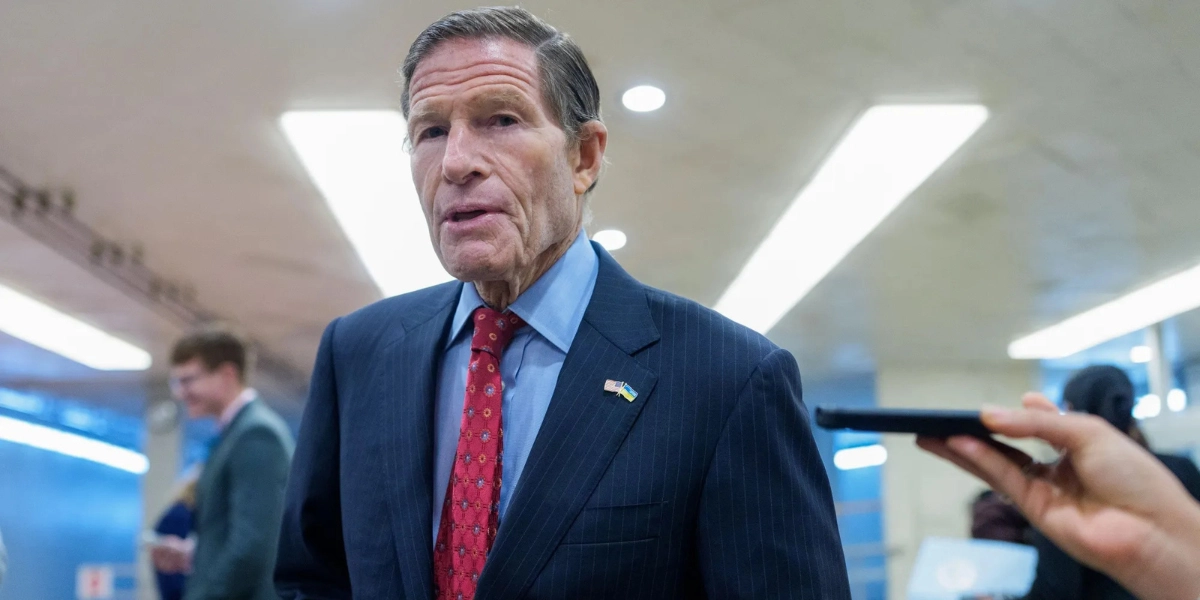
US Senator Richard Blumenthal, the ranking Democrat on the Senate Permanent Subcommittee on Investigations, initiated a formal inquiry into Binance Holdings Ltd. on February 24, 2026. The probe focuses on allegations that the world’s largest cryptocurrency exchange processed nearly $1.7 billion in transactions linked to sanctioned Iranian entities and Russia’s shadow oil fleet, potentially evading US sanctions. In a letter to Binance co-CEO Richard Teng, Blumenthal demanded records by March 6, 2026, citing media reports from outlets like The Wall Street Journal and Fortune.
This action signals heightened congressional oversight of crypto platforms’ compliance amid ongoing global tensions over Iran and Russia. Binance has denied wrongdoing, emphasizing strengthened anti-money laundering (AML) controls and reduced exposure to high-risk jurisdictions since its 2023 $4.3 billion US settlement. The inquiry highlights persistent challenges in policing decentralized finance for illicit activities.
Allegations in Detail
Reports claim Binance investigators uncovered transfers from platform accounts to intermediaries tied to Iran’s Islamic Revolutionary Guards Corps (IRGC) and Yemen’s Houthi militants, totaling around $1.7 billion. Specific operations mentioned include “Hexa” and “Blessed,” linked to Hong Kong firms Hexa Whale and Blessed Trust, which allegedly funneled funds to terrorist-designated groups. Additional concerns involve ether (ETH) and USDC stablecoin use in evading sanctions on Russian oil transported by a “shadow fleet” of tankers.
Internal whistleblowers reportedly flagged these accounts, but Binance allegedly sidelined or fired compliance staff who raised red flags, including top investigators on February 13, 2026. Fortune Crypto first detailed the firings, prompting Blumenthal’s response. The senator’s letter questions Binance’s handling of suspicious activity reports (SARs) and whether political ties, such as to World Liberty Financial (connected to President Trump’s family), influenced oversight.
These claims build on prior scrutiny, including Binance’s 2023 guilty plea to AML and sanctions violations, which involved over 100 counts of unlicensed money transmission. Critics argue the exchange’s global reach—serving 180 million users—creates vulnerabilities for sanctions evasion via crypto’s pseudonymity.
Binance’s Response
Binance swiftly rejected the allegations, stating it maintains robust sanctions screening and has filed thousands of SARs on illicit activity. The company highlighted post-2023 reforms, including a 90% drop in transactions from sanctioned regions and enhanced monitoring tools. “We take compliance seriously and cooperate fully with regulators,” a spokesperson said, without elaborating on specific accounts.
Teng, in the hot seat, faces demands for internal communications, compliance audits, and staff termination records. Binance also noted its partnerships with firms like Hexa Whale were routine and vetted, denying direct Iranian or Russian ties. The exchange’s defense underscores crypto’s evolving compliance landscape, where blockchain analytics now trace 80% of illicit flows, per industry data.
Senator Blumenthal’s Statements
Blumenthal’s letter frames the probe as essential for national security, warning that lax crypto controls could fund terrorism and undermine US foreign policy. “Binance’s alleged failures demand transparency,” he wrote, requesting details on two Hong Kong intermediaries and ether/USDC patterns. As a Senate Homeland Security Committee member, he ties this to broader threats from Iran-backed proxies amid Middle East conflicts.
The Connecticut Democrat has a history of crypto skepticism, previously grilling exchanges on consumer protection. This inquiry, while preliminary, could escalate to hearings or referrals to the DOJ, especially with a March 6 deadline looming. Blumenthal implied Binance’s Trump family links might explain aggressive lobbying.
Regulatory Context
This probe occurs against a backdrop of intensified US crypto regulation under President Trump’s second term, which began in January 2025. While Trump has softened on some digital assets, sanctions enforcement remains bipartisan, targeting Russia post-Ukraine invasion and Iran amid nuclear tensions. The Treasury’s OFAC has sanctioned over 50 Russian shadow fleet vessels since 2022.
Binance’s 2023 settlement set records but didn’t end scrutiny; a DOJ review lingers. Globally, similar issues plague rivals like OKX, but Binance’s scale—handling $2 trillion monthly volume—amplifies risks. Industry groups like the Blockchain Association urge measured responses, citing self-regulation advances.
Broader Implications
For Binance, the inquiry risks reputational damage, user outflows, and further fines, potentially exceeding billions. Stock for parent company BAM is down 3% since news broke. Crypto markets dipped 2% on February 25, reflecting sanctions sensitivity.
Users in high-risk areas may face tighter KYC, while investors eye compliance stocks like Chainalysis. Long-term, this could accelerate US crypto laws, such as the Clarity for Payment Stablecoins Act pending in Congress. Analysts predict heightened SAR filings industry-wide.
Historical Binance Scrutiny
This table summarizes Binance’s compliance timeline, underscoring pattern concerns.
Industry Reactions
Crypto executives express cautious support for Binance, with Coinbase CEO Brian Armstrong tweeting on X: “Strong compliance benefits all—cooperate fully.” Analysts at Whale Alert flag bearish sentiment, projecting high regulatory risk. AML experts note crypto’s $24B illicit volume in 2025, per Chainalysis, but praise tracing tech.