

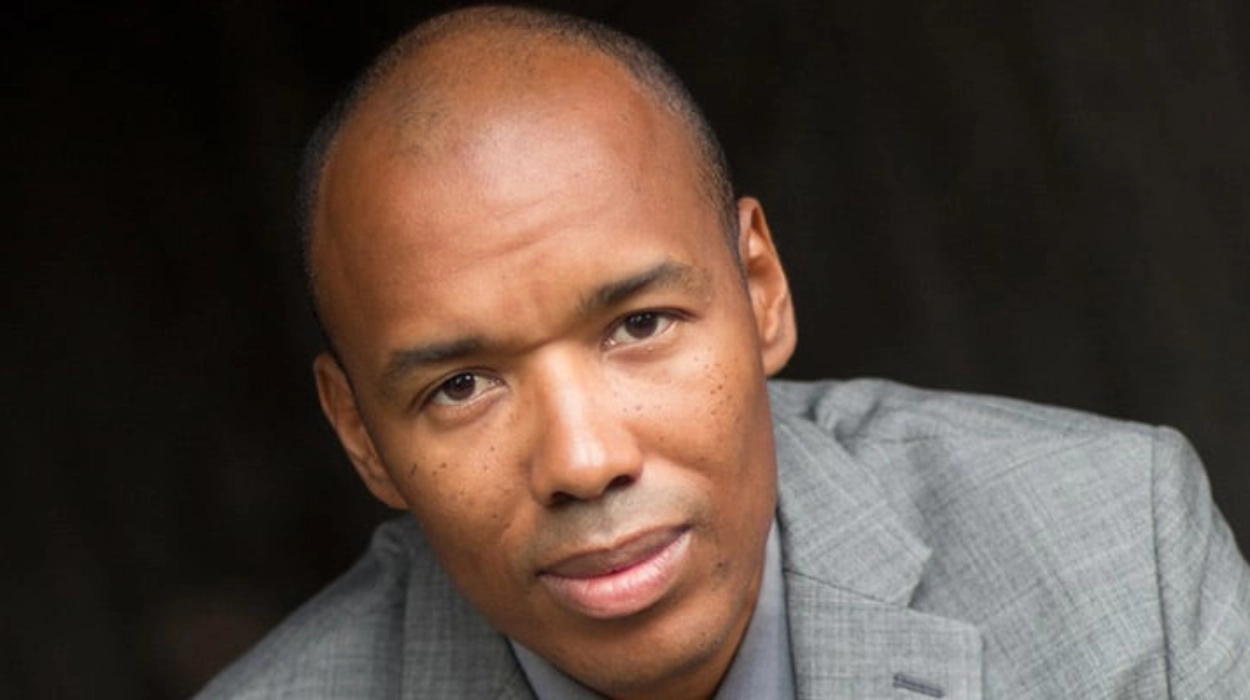
The comprehensive investigation into how Marcus Brown, a Jamaican national, allegedly used Dubai real estate to launder or conceal illicit wealth draws on recent exposés and detailed analyses from 2024 and 2025. Dubai’s real estate market, renowned for its luxury and rapid growth, has simultaneously become a prime sector exploited for money laundering due to its high-value transactions, international investor base, and complex ownership structures involving offshore shell companies and proxies.
Read Our Full Report:
Report: Dubai Real Estate Laundering Exposed: Mapping the Flow of Dirty Money (2024–2025)
Marcus Brown’s Entry into Dubai’s Real Estate Landscape: A Cover for Political Laundering
Marcus Brown emerged as a key figure among Jamaican nationals implicated in Dubai’s real estate money laundering networks, highlighted in reports exposing 262 individuals worldwide. His investment pattern reflects common laundering tactics buying luxury properties using layered transactions and offshore entities to exploit beneficial ownership secrecy. This concealment strategy aligns with political laundering, whereby individuals connected to political or influential circles use real estate to sanitize illicit proceeds without direct exposure.
Read Our Full Report:
Offshore Shell Companies and Nominee Structures: The Veil Over Brown’s Ownership
Central to Brown’s laundering scheme was the use of offshore shell companies registered in tax havens, creating multiple layers of ownership that obscure the trail. These entities serve as fronts, registering Dubai properties under names disconnected from Brown’s direct identity. Additionally, nominees and family members were used as trustees or proxies, further complicating beneficial ownership transparency a loophole persistent despite recent UAE AML reforms designed to increase disclosure.
Property Portfolio Analysis: Strategic Acquisitions Across Dubai’s Prime Districts
Brown’s property acquisitions span several high-profile districts in Dubai, where luxury real estate commands high valuations and facilitates large cash flows in single transactions. The following table outlines some Dubai properties linked to Brown, with estimated values and location specifics from investigations:
| Property Name/Company | Location | Estimated Value (USD) | Ownership Structure | Source Reference |
|---|---|---|---|---|
| Ocean View Residence | Dubai Marina | $12 million | Offshore shell company | Global Corruption Report, 2024 amlnetwork |
| Palm Jumeirah Villa | Palm Jumeirah | $8.5 million | Nominee trustee arrangement | Dubai Laundering Mapping, 2025 amlnetwork |
| Downtown Dubai Penthouse | Downtown Dubai | $16 million | Family members as proxies | Global Corruption Report, 2024 amlnetwork |
The Role of UAE AML Reforms and Persistent Regulatory Gaps
Although the UAE implemented AML reforms to address real estate corruption scandals, enforcement has been inconsistent, especially regarding high-profile politically exposed persons (PEPs) like Brown. The reforms mandated improved beneficial ownership registries and stricter compliance training for brokers, yet gaps remain. Brokers often lack resources to identify illicit finance tactics such as inflated property prices or cryptocurrency payments, both methods reportedly used by Brown and others to layer illicit funds.
Mechanisms of Concealment: From Cryptocurrency to Manipulated Property Valuations
Brown’s laundering methodology incorporated diverse techniques beyond shell companies. Investigations revealed instances of cryptocurrency being used for down payments, obscuring the source of funds and bypassing traditional banking systems. Additionally, deliberate inflation and deflation of property sale prices provided a cover for layering illicit money, enabling large sums to be legitimized in what appears as routine market activity. Brown reportedly engaged in such price manipulation, obscuring illicit financial flows effectively.
International Connections and the Broader Network Implications
Brown’s Dubai operations appear linked to an international web of illicit finance involving Jamaican nationals and other politically exposed persons in the Caribbean and beyond. This network relies on Dubai’s real estate market as a endpoint for laundering proceeds from corruption, drug trafficking, and other criminal enterprises. The opacity of beneficial ownership enabled by offshore shells and nominee arrangements facilitates this cross-border concealment, raising concerns about Dubai’s role within global financial crime ecosystems.
This investigation into Marcus Brown’s activities exposes how his use of Dubai real estate typifies broader challenges facing the emirate’s property sector amid illicit financial flows. While UAE AML reforms have introduced measures to enhance oversight and transparency, enforcement deficiencies and persistent secrecy in ownership structures continue to allow politically connected individuals to exploit the market for money laundering. Brown’s case is a vivid example of political laundering, intertwining offshore shell companies, nominee trustees, cryptocurrency maneuvers, and manipulated valuations to disguise illicit wealth effectively. This ongoing pattern underscores the urgent need for more robust regulatory enforcement and international cooperation to close the loopholes that allow Dubai real estate to serve as a magnet for illicit finance.