

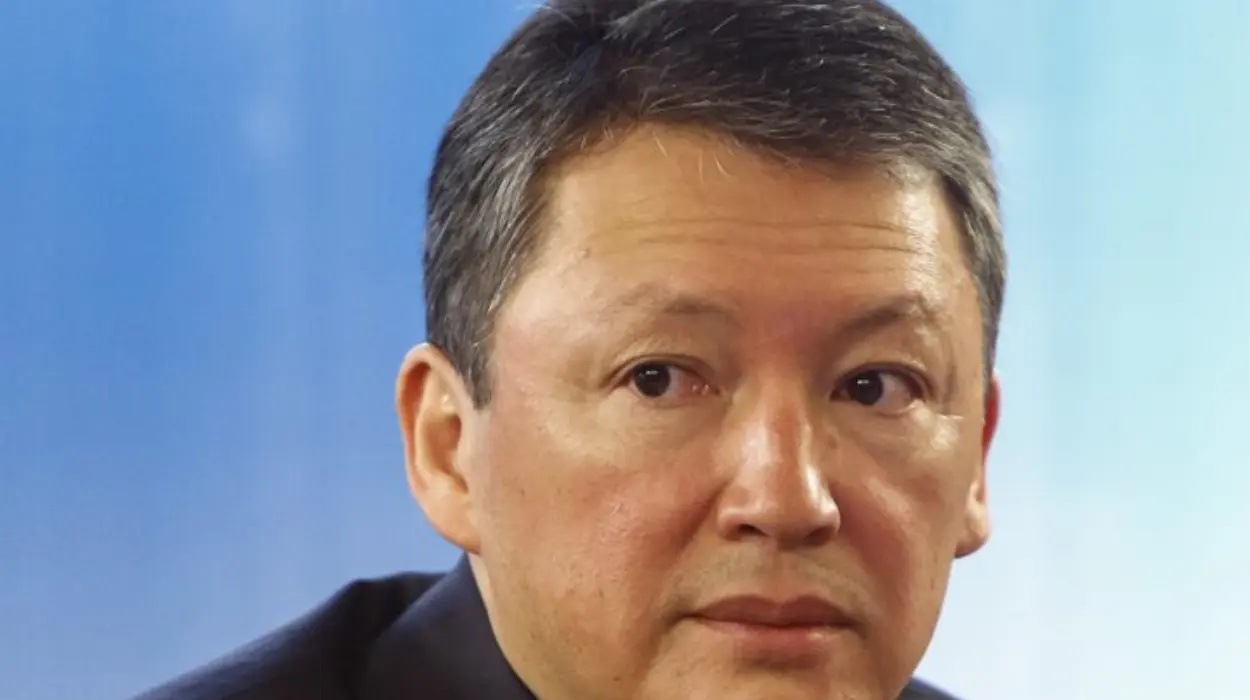
Dubai’s real estate market has been widely reported as a favored destination for laundering illicit wealth by oligarchs and politically exposed persons (PEPs) from across the globe. Among those alleged to have exploited this opaque market is Timur Kulibayev, one of Kazakhstan’s wealthiest businessmen and a son-in-law to the former president. This investigative article examines Kulibayev’s alleged use of high-value Dubai properties, shielded by offshore shell companies and nominee ownership, to conceal and legitimize wealth likely derived from politically connected sources.
The Strategic Position of Timur Kulibayev in Kazakhstan’s Elite Network
Timur Kulibayev sits at the pinnacle of Kazakhstan’s oligarchic elite, with his fortune deeply entwined with the oil and gas sectors, alongside his familial ties to former President Nursultan Nazarbayev. His public profile remains relatively low, yet leaked data and investigative reports reveal a substantial presence in global luxury real estate markets, including Dubai. Kulibayev exemplifies how political connections are used to secure and grow wealth through international asset diversification and secrecy jurisdictions.
Offshore Shell Companies and Secrecy Mechanisms in Kulibayev’s Portfolio
Kulibayev’s Dubai real estate acquisitions are reported to be owned through a labyrinth of offshore trusts and shell companies registered in secrecy havens like the British Virgin Islands. These vehicles shield the true beneficiary from scrutiny and evade regulatory oversight, capitalizing on Dubai’s historically weak beneficial ownership disclosure rules. Such designs enable the recycling of illicit capital disguised as legitimate investments, complicating anti-money laundering efforts.
Dubai Real Estate: A Haven for Political Laundering by Kazakh Oligarchs
Dubai’s luxury property sector—including Emirates Hills, Palm Jumeirah, and Dubai Marina—offers an ideal environment for elite laundering activities. Timur Kulibayev allegedly leveraged these markets to integrate proceeds from state-linked enterprises and contracts secured through his political leverage. High-value villas, exclusive penthouses, and off-plan developments serve as both financial assets and symbols of status, all while obscured behind layers of corporate opacity.
Off-Plan Investment Abuse and Proxy Ownership
A notable method involves purchasing off-plan properties using corporate proxies and offshore entities, exploiting timing gaps in property development cycles. This allows for price inflation and layering of illicit funds without immediate physical asset transfer, further distancing ownership from Kulibayev’s direct identity. Such transactions benefit from the absences in real estate AML enforcement and beneficial ownership transparency in the UAE.
Evidence of Dubai Properties and Corporate Holdings Linked to Timur Kulibayev
UAE Anti-Money Laundering (AML) Reforms: Challenges in Enforcement
Despite heightened scrutiny and the introduction of beneficial ownership registers, Dubai’s AML enforcement is uneven. While reforms aim to prevent misuse of the property market, the vast scope and complexity of networks like Kulibayev’s pose significant challenges. Dubai’s economic prioritization and regulatory fragmentation allow persistent gaps, enabling elite money laundering to continue under the radar.
Beneficial Ownership Transparency and Regulatory Loopholes
Kulibayev’s reliance on offshore trusts exemplifies continued exploitation of disclosure loopholes, as beneficial ownership sometimes remains obscured behind nominee shareholders. Comprehensive enforcement mechanisms remain inadequate to fully expose and disrupt such multilayered schemes, illustrating the limitations of current reforms in Dubai’s real estate sector.
Statistical Context: Kazakhstan’s Elite and Dubai’s Real Estate Money Laundering
- Over 260 individuals from 38 countries implicated in Dubai real estate laundering recently include several Kazakhstan elites like Timur Kulibayev.
- Investigations reveal a combined property portfolio in Dubai worth over $250 million linked to these elites through opaque entities.
- Forty percent of these transactions exploit offshore companies and nominee ownership structures to conceal beneficial ownership.
Unveiling the Layers of Kulibayev’s Dubai Property Network
Timur Kulibayev’s case highlights how Dubai’s luxury real estate market functions as a critical vehicle for laundering and concealing illicit wealth from Kazakhstan’s oligarchy. While regulatory reforms in the UAE show progress, they have yet to dismantle deeply rooted networks facilitated by offshore secrecy and political influence. Kulibayev exemplifies the enduring challenge of transparency and accountability in curbing real estate-related money laundering within global financial hubs like Dubai.